

Key takeaways
- Few pieces of trail gear divide opinion like the stove. Some hikers swear by a bare burner that screws onto a canister and weighs almost nothing.
Few pieces of trail gear divide opinion like the stove. Some hikers swear by a bare burner that screws onto a canister and weighs almost nothing, others prefer an integrated system with a pot that locks on and boils water in minutes. Both camps can be right, because the best choice depends on whether dinner is a freeze-dried pouch or a real meal, and on how much wind the route usually serves up. Anyone shopping for a backpacking stove is really choosing between simplicity, speed and flexibility.
The six stoves compared below come from listings that were available as of 2026, and the comparisons use only what each title states, such as piezo ignition, wind resistance, canister adapters and liter capacities. Weights, boil times and fuel use mostly live outside titles, so check the listing before ordering. As with any stove, use it outdoors on stable ground, keep it away from tents and dry grass, never cook inside a shelter and follow local fire rules.
Quick Picks
Our top picks



As an Amazon Associate we earn from qualifying purchases at no extra cost to you.
| Product | Best for | Key spec from the title |
|---|---|---|
| AOTU Backpacking Stove | Budget-conscious beginners | Piezo ignition, stable support, wind resistance |
| MSR PocketRocket 2 | Ultralight hikers who want a proven burner | Ultralight camping and backpacking stove |
| Odoland 3500W Camp Stove | Campers wanting a canister adapter and carry case | 3500W, piezo ignition, carry case, foldable |
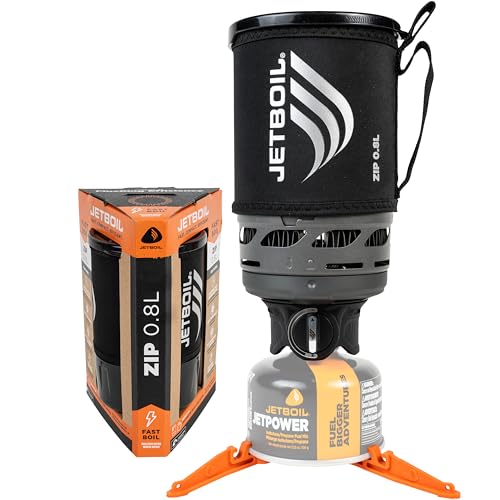
| Jetboil Zip 0.8L | Hikers who mostly boil water fast | 0.8L fast boil system, carbon |
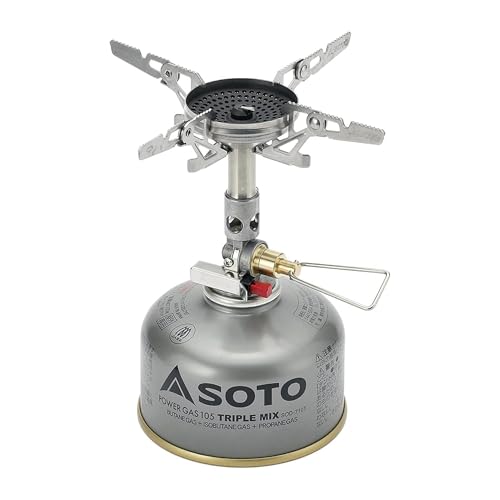
| SOTO WindMaster | Windy ridges and exposed camps | 4Flex, built for windy weather, canister not included |
| Jetboil Flash 1.0L | Groups or bigger drinks | 1.0L fast boil system |
How to Choose
Canister burner or integrated system
A canister burner sits on top of an isobutane-propane canister and accepts any pot, which makes it light and flexible. An integrated system, like the two Jetboil models here, pairs a burner with a dedicated cup that is sold as a fast-boil setup, and the whole kit is meant to be carried together. The integrated route is easier for beginners and fast for hot drinks and rehydrated meals, but it is less natural for frying or simmering. Think about what dinner looks like before deciding. Hikers who rehydrate meals and drink coffee will rarely miss a frying pan, while anyone cooking fresh ingredients or sharing meals will want a wide pot and a burner with adjustable flame. A simple way to decide is to list the last five trail dinners and count how many needed more than boiling water.
Output, wind and boil time
Wattage or BTU figures in titles describe burner output, and a higher number does not automatically mean a faster boil or lower fuel use. Wind can undo a powerful flame, so built-in windshielding, a nearby rock wall or a loosely placed windscreen matter more than output alone. The SOTO title calls out windy weather as a focus, which is a design priority rather than a performance number. Verify the claim on the listing and in reviews that describe real conditions. Cold weather is another factor, since canisters lose pressure as temperatures fall, so shoulder-season trips benefit from keeping the canister warm until it is time to cook.
Ignition, weight and packed size
Piezo igniters are convenient but not foolproof, so a backup lighter belongs in the kit. Gram-counters should look for stoves with folding legs that fit inside a pot, while casual users can accept a bit more weight for sturdier supports. Pack the stove and fuel together in a hard container so a stray knob never lets gas leak or damage the valve in transit. Weigh the full cook kit, not just the burner, because a pot, spoon, lighter and fuel all add up and a stove that looks light can end up heavy once the rest is counted.
Fuel compatibility and budget trade-offs
Most backpacking stoves screw onto threaded canisters, though not every stove includes a canister, as the SOTO title makes clear. Budget stoves may use less precise valves, thinner pot supports and less reliable igniters. Look for solid pot support geometry, read fitting details and avoid products that do not explain the thread type. Always store fuel away from heat and follow transport rules for canisters. It also pays to confirm that the stove’s pot supports are wide enough for the pot already owned, since a tippy setup is a spill waiting to happen.
The 6 Best Options
AOTU Backpacking Stove
The AOTU is a portable camping stove with piezo ignition, stable support and a wind-resistance description. It suits beginners who want push-button ignition and a modest outlay, and it also appears in a close variant under a more generic name.
- Piezo ignition removes the need for a lighter in good conditions.
- Stable support is stated, which helps with larger pots.
- Trade-off: a lesser-known brand means checking build quality and thread compatibility on the listing.
Skip it if the hike is a long thru-hike where durability is critical. Carry a backup igniter and test the stove at home first. Buyers should also compare how the burner folds, because a tight fold helps it slip into a pot without damaging the pot supports.
MSR PocketRocket 2
The PocketRocket 2 is a long-running ultralight canister stove from a recognized outdoor brand. It is a strong choice for hikers who want a small burner that fits inside a pot and boils water for coffee and meals.
- Ultralight design is the main selling point.
- Works with any compatible pot rather than a proprietary cup.
- Trade-off: the title does not mention ignition, so a lighter is needed.
Skip it if wind is constant, since a bare burner needs shelter, or if an integrated pot is preferred. Pair it with a windscreen used loosely and never wrapped around the canister. Because the title gives no weight, check the listing and the pot compatibility before choosing a favorite.
Odoland 3500W Windproof Camp Stove
This Odoland stove offers 3500W output, a canister adapter, piezo ignition, a carry case and a foldable design. It is a fit for car campers and light backpackers who want a ready-to-go kit in a case.
- Carry case keeps the stove protected in the pack.
- Canister adapter and piezo ignition are in the title.
- Trade-off: the windproof label is a marketing term, so check how it handles breezy ground.
Skip it if weight is the top priority, or if distance hiking demands the lightest possible burner. Confirm the canister type on the listing, and treat the output rating as a burner figure rather than a promise of fast boils in wind. The carry case is a plus for anyone who stores the stove in a car or garage between trips.
Jetboil Zip 0.8L
The Zip is a fast-boil integrated system with a 0.8-liter cup and a carbon finish. It is aimed at hikers who mostly boil water for coffee, oatmeal and freeze-dried meals and want a compact all-in-one setup.
- Integrated cup and burner simplify setup.
- Fast-boil design appeals to hikers who cook in a hurry.
- Trade-off: less suited to simmering or cooking meals that need a skillet.
Skip it if cooking real meals from scratch matters or if wide-open pots are preferred. A smaller cup limits portion size for two, and cleaning a narrow cup with a long spoon takes a little patience. It is a good match for solo or two-person trips where drinks and simple meals are the menu.
SOTO WindMaster with 4Flex
The WindMaster is a backpacking stove with the 4Flex support and a title that emphasizes windy weather, compact size and durability. The canister is not included, so it is bought separately.
- Wind-focused positioning suits exposed ridges and open camps.
- Compact, portable build is stated in the title.
- Trade-off: canister must be bought separately.
Skip it if the plan involves very large pots, or if the budget does not allow for a separate fuel purchase. Check the listing for the support style that matches the pot size, and review how the four-arm support, referenced as 4Flex, holds a pot steady. Since the title says the stove is meant for windy conditions, it is worth pairing it with a pot that has a lid to reduce heat loss.
Jetboil Flash 1.0L
The Flash is an integrated system with a 1.0-liter cup, positioned for fast boiling on camping and backpacking trips. It suits hikers who want a larger cup for two drinks or a bigger meal.
- A 1.0-liter cup suits larger drinks or shared meals.
- Integrated design keeps pot and burner together.
- Trade-off: bigger system than a bare burner and not ideal for frying.
Skip it if the pack is a minimalist setup or if a separate pot is already in the kit. The listing shows a Mountainscape finish as a color choice, and the larger cup also works as a bowl for freeze-dried meals if the manufacturer’s instructions allow it. Hikers who want to share hot drinks on cold mornings will appreciate the extra capacity.
Which One Fits Your Situation
First stove on a modest budget
AOTU Backpacking Stove offers piezo ignition and stable support without a big outlay. Test it at home before the first trip and carry a backup igniter.
Counting every ounce
MSR PocketRocket 2 is the minimalist pick. Pair it with a titanium or aluminum pot, a small windscreen used loosely and a small canister, and the cook kit stays tiny.
Mostly boiling water for coffee and meals
Jetboil Zip 0.8L fits solo hikers, while Jetboil Flash 1.0L suits a bigger cup or two drinks.
Windy ridgelines
SOTO WindMaster is described as built for windy weather. Use natural windbreaks such as a boulder or a stand of trees, and keep the flame low to save fuel. Even a stove built for wind benefits from a calm spot.
Common Mistakes
- Cooking inside a tent or vestibule, where exhaust and fire risk are serious.
- Forgetting a canister when the stove does not include one.
- Relying solely on piezo ignition with no backup lighter.
- Wrapping a windscreen tightly around a canister, which can trap heat.
- Skipping a home trial run before a multi-day trip.
Related guides
- Battery Powered Generator For Refrigerator
- Portable Power Station For Refrigerator
- Portable Power Station For Camping
Frequently Asked Questions
Are integrated stoves better than bare burners?
Neither is universally better. Integrated systems are fast and simple for boiling water, while bare burners are lighter and work with any pot.
Do all stoves include a fuel canister?
No. Many do not, and the SOTO title states that the canister is not included. Check the listing for what is in the box, and buy a canister that matches the stove’s thread type before leaving for the trailhead.
How should fuel canisters be stored?
Keep them upright, cool and away from flames or heat. Follow the manufacturer’s instructions and local transport rules. Partly used canisters can be kept for short trips, but it is wise to weigh them or carry a fresh one on longer routes so the stove does not run dry mid-meal.
Can these stoves be used in a tent?
No. Cooking inside a tent or enclosed space risks fire and carbon monoxide exposure, so cook outdoors with good ventilation. Keep the flame well away from the tent walls and any overhanging branches, and never leave a lit stove unattended.
More from Amazon
Programs that pair well with the guide above. Offers and eligibility are set by Amazon and may change.
Free shipping on eligible items, Prime Video and more. Eligible new members can start with a free trial.
Start a Prime free trialA Prime membership for ages 18-24 with a trial period. Eligibility is set by Amazon.
See Prime for Young AdultsAudiobooks and podcasts to listen to on the go. Eligible new members can start with a free trial.
Try Audible freeAd-free music streaming. Eligible new subscribers can start with a free trial.
Try Music Unlimited freeAs an Amazon Associate we earn from qualifying purchases.
Write Your Review
No reviews yet. Be the first to share your experience!