

Key takeaways
- A sleeping bag for backpacking is judged by three numbers before anything else: the temperature rating on the tag, the weight on the scale.
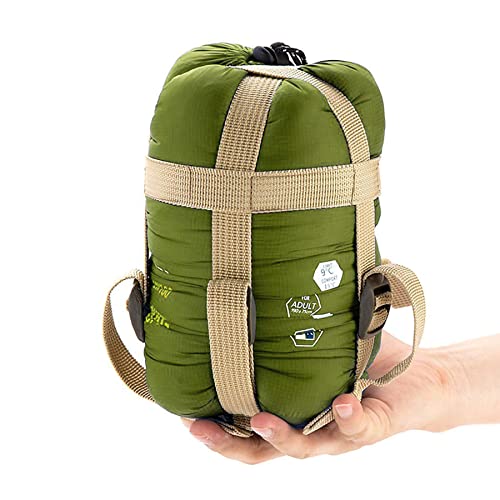
A sleeping bag for backpacking is judged by three numbers before anything else: the temperature rating on the tag, the weight on the scale, and how small it squeezes into a pack. Those three pull in different directions. A bag rated for harsh cold is warm but bulky, a minimalist bag is easy to carry but leaves little margin on a cold night, and a down bag sits at the lightweight end while costing more than a synthetic one. This is why a backpacking bag is a more deliberate purchase than a car-camping bag that lives in a duffel.
The guide below sorts six listings for 2026 trips, using only what each title states, such as the 20-degree and 0-degree labels, fill power, compression sacks and fit descriptions. Weights, packed sizes and insulation types are not always in the title, so confirm those on the listing before ordering. Temperature ratings are general guidance and individual comfort varies, so sleepers who run cold should pick a bag rated lower than the expected overnight low.
Quick Picks
Our top picks




As an Amazon Associate we earn from qualifying purchases at no extra cost to you.
| Product | Best for | Key spec from the title |
|---|---|---|
| Teton Trailhead 20 | Shoulder-season backpacking on a moderate budget | 20 degree rating, lightweight mummy |
| MalloMe Backpacking Sleeping Bag | Casual users and families wanting a simple bag | Adults and kids, lightweight, cold weather and warm wording |
| Teton LEEF | Weekend hikers who want a compression sack | Lightweight mummy, compression sack included |
| ECOOPRO Sleeping Bag | Summer trips on a tight budget | Waterproof, lightweight, compression sack |
| Kelty Cosmic 20 Down | Weight-conscious hikers who want down | 550 fill power, 20 degree, PFAS-free DWR |
| Coleman North Rim 0F | Cold weather and larger frames | 0F rating, mummy, big and tall fit |
How to Choose
Temperature rating and the sleeper
The number on the tag is a guide rather than a promise, and it is measured under specific lab conditions. Buyers who sleep cold, or who camp above treeline where nights drop quickly, should pick a bag whose rating is lower than the expected overnight low. A 20-degree bag fits spring through fall in many mountain regions, while a 0-degree bag is a cold-weather tool and often too warm for summer. Pairing the bag with a sleeping pad that has a reasonable insulation level is as important as the bag itself, because compressed insulation under the body gives little warmth. Sleeping in dry base layers and a warm hat adds another margin without extra pack weight, and eating a snack before bed helps many people stay comfortable through the small hours.
Down versus synthetic
Down compresses small and weighs little for the warmth it holds, which is why it dominates weight-focused trips. Fill power, such as 550 in the Kelty listing, describes how well the down lofts, and higher numbers mean more warmth per ounce. Synthetic insulation is cheaper, copes better with damp conditions and is easier to care for, at the cost of bulk. Wet climates and casual use often favor synthetic, while dry, long-distance trips favor down. Whichever insulation is chosen, a waterproof stuff sack or pack liner protects the bag from rain and river crossings, which matters more than any fabric treatment.
Shape, size and fit
A mummy shape tapers to trim weight and trap warmth, though the narrow cut feels snug for broad sleepers. Big and tall cuts add width and length. Check the length against the sleeper’s height, since a bag that is too long has dead space that must be warmed. A hood with a drawcord and a draft tube behind the zipper are two features that cut heat loss. A no-snag zipper, as listed for the Coleman, saves frustration in the dark. Hikers who move a lot in their sleep may also prefer a bag with a roomier footbox, so toes are not squeezed against the end.
Packed size, compression and corners cut by budget bags
A compression sack reduces volume, but a bag that is stored compressed for months can lose loft, so unpack it for long-term storage. Budget bags tend to use heavier fabric, thicker insulation for the same rating and less accurate temperature labels. Look for the packed size and weight in the listing and compare them with the rest of the pack list, especially on a multi-day route. On shorter trips a heavier bag is a fair trade for lower cost, while on week-long routes each extra pound is felt every hour of the walk.
The 6 Best Options
Teton Trailhead 20
The Trailhead is a lightweight mummy with a 20-degree label, aimed at hikers who need one bag for spring through fall without stepping into the premium tier. The listing appears in more than one variation, so check which version is selected before buying.
- A 20-degree rating covers a wide range of shoulder-season trips.
- Mummy shape keeps weight and bulk lower than rectangular bags.
- Trade-off: the title does not state insulation type, weight or packed size.
Skip it if the plan is deep winter camping or if wide shoulders make mummy cuts feel confining. Pair it with a warm sleeping pad and layer clothing for cold nights. Buyers should also review the care label, since synthetic insulation is usually easy to wash at home.
MalloMe Backpacking Sleeping Bag
The MalloMe is pitched at adults, kids, girls and boys for camping and backpacking, with wording about cold and warm weather. It suits families and casual users who want a simple bag that serves many people rather than a technical shelter for one.
- Broad audience, covering adults and kids.
- Lightweight positioning for backpacking and camping.
- Trade-off: the title gives no temperature rating, so check the listing before cold trips.
Skip it if a documented temperature rating is a must or if sleeping above treeline in cold weather. The listing has more than one version, so confirm which is being purchased. Parents buying for children should check the listed length against the child’s height and follow the manufacturer’s age and size guidance.
Teton LEEF Lightweight Mummy
The LEEF is a lightweight mummy with a cold-weather option and a compression sack, in black and sage. It suits weekend backpackers who want a bag that packs down without a separate stuff sack purchase.
- Compression sack is included.
- Mummy cut keeps packed size down.
- Trade-off: the title does not state a temperature figure for each option, so verify the rating.
Skip it if a bag with a stated temperature in the title is preferred. Buyers should make sure the cold-weather version is selected if cold nights are expected. Hikers who tend to overheat may prefer the extra ventilation options of a zipper that opens from the foot end.
ECOOPRO Portable Sleeping Bag
The ECOOPRO is a portable, waterproof, lightweight bag with a compression sack, aimed at camping, backpacking and hiking. It is a budget-friendly choice for summer and mild-weather outings.
- Compression sack helps reduce volume in the pack.
- Waterproof wording appeals to damp-climate hikers.
- Trade-off: no temperature rating is given in the title.
Skip it if the bag will be used in cold weather. Waterproof language relates to the outer fabric and does not mean the insulation will stay warm when soaked, so keep it inside a pack liner. Short, warm trips are where this kind of budget bag makes the most sense, since the lack of a stated rating leaves little margin for surprises.
Kelty Cosmic 20 Down
The Kelty Cosmic is a 20-degree down mummy with 550 fill power and recycled fabrics with a PFAS-free DWR treatment. It suits hikers who want the lower weight of down and a recognized outdoor brand.
- Down insulation typically packs smaller than synthetic.
- Recycled fabrics and PFAS-free DWR are stated in the title.
- Trade-off: down loses warmth when wet and usually costs more than synthetic.
Skip it if the trip will be in constantly damp weather or on a tight budget. Store it loosely in a large sack at home to preserve loft, and keep it away from sharp objects and campfire sparks, which can burn holes in thin shell fabric.
Coleman North Rim 0F
The North Rim is a cold-weather mummy with a 0F label, a no-snag zipper, an adjustable hood and a big and tall fit. It suits larger sleepers camping in real cold who do not need to count every ounce.
- A 0F rating is the coldest on this list.
- Big and tall fit gives room for taller or broader sleepers.
- Trade-off: cold-weather bags are bulkier and can be too warm for summer.
Skip it if the route is a multi-day trek where weight matters or if trips occur mainly in warm months. Using it in a hot tent or camper can lead to overheating, so a lighter bag is a better year-round choice.
Which One Fits Your Situation
Spring and fall weekends in the mountains
Teton Trailhead 20 or Kelty Cosmic 20 Down both carry a 20-degree label. Teton is the value choice, while Kelty trades extra cost for down insulation. Either works well with an insulated pad and a warm hat.
Summer trips at lower elevations
ECOOPRO Portable Sleeping Bag or MalloMe Backpacking Sleeping Bag keep things light and inexpensive. Check the listing for any temperature details before relying on either, and keep a warm layer in the pack in case a night turns cold.
Cold-weather camping for a larger sleeper
Coleman North Rim 0F is the one built for cold and big and tall bodies. Bring a warm pad and plan on a vehicle-supported camp rather than a long trek.
A first weekend bag with a compression sack
Teton LEEF Lightweight Mummy bundles a compression sack and a lightweight shape. Confirm the version and its rating before buying.
Common Mistakes
- Buying a bag at the exact expected temperature low instead of with a margin.
- Skipping a warm sleeping pad, then blaming the bag for cold nights.
- Storing a bag compressed for months, which reduces loft.
- Choosing down for a trip with constant rain and no dry-bag protection.
- Ignoring length and width, then dealing with a snug or oversized bag.
Related guides
- Battery Powered Generator For Refrigerator
- Portable Power Station For Refrigerator
- Portable Power Station For Camping
Frequently Asked Questions
What does a 20-degree sleeping bag mean?
It is a label that indicates the temperature at which the bag is designed to keep a typical sleeper at a reasonable level of warmth. Individual comfort varies, so look for a bag rated below the expected low.
Is down worth the extra cost?
Down is lighter and packs smaller, which matters on long routes. Synthetic suits wet conditions and tight budgets, so the answer depends on the trip.
How should a sleeping bag be washed?
Follow the care label, use a gentle cleaner made for the insulation type and dry it thoroughly. Do not store it compressed for long periods. Spot-clean small marks between washes, since frequent laundering wears on insulation and shell fabric over time.
Can kids use adult mummy bags?
A bag that is too large leaves cold air pockets, so fit matters. Check the listing’s age and size guidance and follow manufacturer instructions. Children should always sleep with adult supervision on trail trips, and a smaller bag sized to the child is usually the better fit.
More from Amazon
Programs that pair well with the guide above. Offers and eligibility are set by Amazon and may change.
Free shipping on eligible items, Prime Video and more. Eligible new members can start with a free trial.
Start a Prime free trialA Prime membership for ages 18-24 with a trial period. Eligibility is set by Amazon.
See Prime for Young AdultsAudiobooks and podcasts to listen to on the go. Eligible new members can start with a free trial.
Try Audible freeAd-free music streaming. Eligible new subscribers can start with a free trial.
Try Music Unlimited freeAs an Amazon Associate we earn from qualifying purchases.

Write Your Review
No reviews yet. Be the first to share your experience!