

Key takeaways
- Side sleeping is the position that punishes a thin camping pad fastest. Shoulders and hips carry most of the body weight.
Side sleeping is the position that punishes a thin camping pad fastest. Shoulders and hips carry most of the body weight, and if the pad compresses under them the ground is felt by morning. That is why this keyword is really a thickness question: how much air or foam sits between the sleeper and the dirt, and does it hold its shape through the night. Pads sold for side sleepers usually answer with four inches of depth, a figure that appears in most titles below.
This guide is for campers, festival-goers and backpackers who roll onto their side and want a pad that does not bottom out under the hip. It covers six listings, from inflatable pads with foot pumps to a roll-up foam topper and a soft microfiber pad. The comparison relies only on facts in each product title, and prices are left out in favor of budget, mid-range and premium thinking. Anyone shopping in 2026 should still read the full listing for weight, packed size and warranty terms before deciding.
Quick Picks
Our top picks



As an Amazon Associate we earn from qualifying purchases at no extra cost to you.
| Product | Best for | Key spec from the title |
|---|---|---|
| Oramoose 4-Inch Pad With Pillow | Solo camper who wants an all-in-one setup | 4-inch, foot pump and pillow included |
| Oramoose 2 Pack With Pillow | Couples and tent-sharing friends | 2 pack, 4-inch, foot pump and pillow |
| Oramoose 2 Pack Ultralight | Festival and backpacking pairs | 2 pack, 4-inch, ultralight, foot pump |
| ZOOOBELIVES Inflatable Pad | Full air support at a mid-range budget | 4-inch thick, no bottoming out for side sleepers |
| Jamdok Gel Memory Foam Topper | Cot, floor or car-bed comfort | 72x24x4 inches, 3-layer gel memory foam |
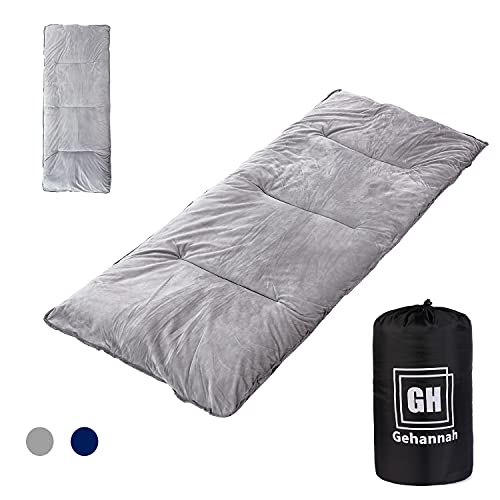
| Gehannah Thick Microfiber Pad | Soft, foldable car or cot use | Microfiber, foldable, thick |
How to Choose
Thickness Is the First Filter
Aim for at least four inches of loft if side sleeping is the norm. Thin foam or two-inch air pads leave little margin once shoulders and hips press down. Four inches is the number most titles in this group advertise, and the Jamdok topper also states it. Be cautious about thickness claims on foam products, because the listed figure can describe the unloaded height. Inflatable pads depend on the valve and seams holding air all night, so read the description for how the pad is meant to be inflated and topped up.
Inflatable, Foam or Hybrid
Inflatables pack small and are adjustable in firmness, which matters for side sleepers who want a softer or firmer feel, because letting out a little air often lets the hip sink in more comfortably. The downsides are a pump or lung work, plus the risk of a slow leak. Foam such as the Jamdok memory foam topper never goes flat, but it is bulkier and best suited to car camping, cots or a guest floor. Microfiber-covered pads, as in the Gehannah title, lean toward softness and are more about comfort than packed size. Pick the construction that fits how far the pad will be carried, and remember that a pad hauled from car to tent can afford more bulk than one carried on a trail.
Width, Length and Packed Size
A 24-inch width, as in the Jamdok title, is common for single-person cot pads, but broad shoulders may hang off the edge when lying on the side. Check width and length on the listing, and compare them with the tent floor or cot. Titles here do not list weight or packed dimensions, so confirm those before choosing for a backpacking trip. Ultralight wording on a title is a marketing claim until a weight figure appears. For two people in one tent, make sure two pads fit side by side without overlapping.
What to Ignore and Where Budget Models Cut Corners
Ignore generic comfort adjectives and focus on thickness, valve type and cover material. Lower-cost pads often skip a stated insulation figure, so a pad that feels fine in July may chill a sleeper in cold weather. Check the listing for insulation details if shoulder-season trips are planned. Included pumps and pillows add convenience but can be the first parts to fail, so see how each is attached and replaced. Follow the maker instructions for inflation limits, and let a new pad rest overnight at home before a trip to confirm it holds air.
The 6 Best Options
Oramoose 4-Inch Camping Sleeping Pad
This listing is built around a single sleeper. The title names a four-inch inflatable mat with a foot pump and pillow, and it targets side sleepers who want firmness through the night. Having the pillow in the box matters to side sleepers in particular, since neck alignment depends on head height and a flat stuff sack rarely helps.
- Foot pump and pillow arrive in one package, reducing add-on purchases.
- Four-inch depth matches what side sleepers usually look for.
- Trade-off: the title gives no weight, size or insulation figure, so those need verification.
Skip it if you need a pad for two people or want a documented ultralight weight for long backpacking days.
Oramoose 2 Pack With Foot Pump and Pillow
Two pads in one purchase suit couples, friends sharing a tent or families with an older child. The title keeps the four-inch inflatable design and adds the pillow and foot pump. For a couple, buying both pads together also keeps the thickness, valve and feel identical, which avoids one partner sinking lower than the other.
- Pairs are convenient when everyone in the tent sleeps on their side.
- Pump and pillow included, so each sleeper gets a matched setup.
- Trade-off: two pads take more pack space and more inflation time than one.
Skip it if you camp alone, or if you prefer a double-wide pad with no gap in the middle.
Oramoose 2 Pack Ultralight Camping Pads
This variant emphasizes an ultralight design and festival use. It keeps the four-inch thickness and foot pump but drops the pillow from the title. Of the three Oramoose entries, it is the one that leans hardest into portability and quick packing for crowded festival grounds.
- Ultralight positioning suggests a lower-bulk choice for carried trips.
- Stays-inflated wording targets side sleepers who dislike a midnight sag.
- Trade-off: no pillow is named, and the ultralight claim comes without a weight number in the title.
Skip it if a built-in pillow matters, or if you need verified gram counts for a weight-conscious pack.
ZOOOBELIVES Inflatable Camping Sleeping Pad
ZOOOBELIVES appears in two listings that look identical, so they are treated as one entry. The title promises four-inch thick full air support and says it avoids bottoming out for side sleepers. That direct side-sleeper wording makes it a natural comparison point for the Oramoose pads, and the two ZOOOBELIVES listings appear to differ only in minor options.
- Thickness and full air support are the whole sales pitch for side sleepers.
- Designed for both camping and backpacking, according to the title.
- Trade-off: the visible title does not specify weight or insulation, so those details must be read on the listing.
Skip it if you want a pad with a bundled pump and pillow stated in the title.
Jamdok 4-Inch Gel Memory Foam Cot Topper
Jamdok is a different animal: a 72x24x4 inch roll-up foam pad with a three-layer structure and a removable cover. It fits car campers, cot users and guests on a floor more than backpackers, and the portable roll-up format means it can double as a spare bed for visitors at home.
- Memory foam does not need inflating and cannot leak air.
- Removable, thickened cover is easier to wash than a sealed pad.
- Trade-off: foam is bulky when rolled, and the narrow width may not suit broad shoulders.
Skip it if you hike in to camp or need a pad that compresses small.
Gehannah Thick Camping Sleeping Pad
Gehannah describes a soft, thick microfiber pad that folds for storage and travel. It reads as a comfort-first choice for car camping, road trips and cots, where a plush feel matters more than saving every ounce.
- Soft microfiber surface gives a plush feel.
- Foldable format stores easily in a trunk.
- Trade-off: the title offers no thickness number, so side-sleeper depth needs checking.
Skip it if a stated four-inch depth is a must-have or you need a packable backpacking pad. Comfort shoppers who care about thickness numbers should look elsewhere in this list.
Which One Fits Your Situation
Solo Weekend Car Camping
The Oramoose single pad is the straightforward pick, because the pump and pillow are bundled and the thickness is stated. Add a sleeping bag liner if nights run cool, and carry the pump in the same stuff sack so it does not get left behind.
Two People Sharing a Tent
The Oramoose 2 pack with pillows gives both sleepers matching gear. Measure the tent floor first so the pads sit side by side without riding up on each other, and inflate both to a similar firmness so neither sleeper rolls toward the middle.
Music Festivals and Light Backpacking
The Oramoose ultralight pair is aimed at this use, but confirm weight on the listing. The ZOOOBELIVES is an alternative when full air support is the priority.
Cot, Van or Spare Floor Bed
The Jamdok topper suits this job best, since foam thickness stays constant and the cover comes off. The Gehannah pad is a softer, lighter-feeling alternative if thickness is confirmed.
Common Mistakes
- Choosing a pad for packed size alone and ignoring thickness, which is what side sleepers feel first.
- Skipping a home trial and discovering a slow leak at the campsite.
- Ignoring width, then finding that shoulders and arms hang off the edge.
- Assuming ultralight in a title means a specific weight, when no number is given.
- Overinflating to chase firmness, which can strain seams; follow the maker instructions for fill level.
Related guides
- Battery Powered Generator For Refrigerator
- Portable Power Station For Refrigerator
- Portable Power Station For Camping
Frequently Asked Questions
How thick should a pad be for side sleeping?
Many side sleepers look for roughly four inches, which is the figure most listings here advertise. Personal preference and body weight vary, so adjust inflation or add a topper if the pad feels flat.
Do inflatable pads stay firm all night?
They are designed to, but temperature changes can alter air pressure, and any small leak will show up by morning. Try inflation at home first, leave the pad overnight to see whether it holds air, and follow the manufacturer guidance on topping up. A groundsheet or tent footprint underneath helps protect the fabric from sharp debris.
Is memory foam a good camping pad?
It suits car camping, cots and floors because it never needs inflating. It is bulky for carried trips, so check the rolled size before taking it far from a vehicle.
Can two pads share one tent?
Usually, if the tent floor is wide enough for both widths side by side. Compare pad dimensions on the listing with the tent floor, and leave a bit of margin for sleeping bags. Two narrow single pads often fit where one double-wide pad would not.
More from Amazon
Programs that pair well with the guide above. Offers and eligibility are set by Amazon and may change.
Free shipping on eligible items, Prime Video and more. Eligible new members can start with a free trial.
Start a Prime free trialA Prime membership for ages 18-24 with a trial period. Eligibility is set by Amazon.
See Prime for Young AdultsAudiobooks and podcasts to listen to on the go. Eligible new members can start with a free trial.
Try Audible freeAd-free music streaming. Eligible new subscribers can start with a free trial.
Try Music Unlimited freeAs an Amazon Associate we earn from qualifying purchases.

Write Your Review
No reviews yet. Be the first to share your experience!