

Key takeaways
- Choose a 9.5–9.8 mm dry-treated single rope if you want the best all-round balance of handling, durability, and outdoor versatility. Choose 10 mm or thicker for hard-wearing gym and top-rope use, and choose an 8.5–9.2 mm full-dry rope for alpine objectives only when your belay…
The best climbing ropes for most people are a 9.5–9.8 mm dry-treated dynamic ropes for sport climbing and gym use, while alpine climbers should choose a lighter 8.5–9.2 mm rope only if they are experienced with thinner-rope handling and compatible equipment.
Our top picks


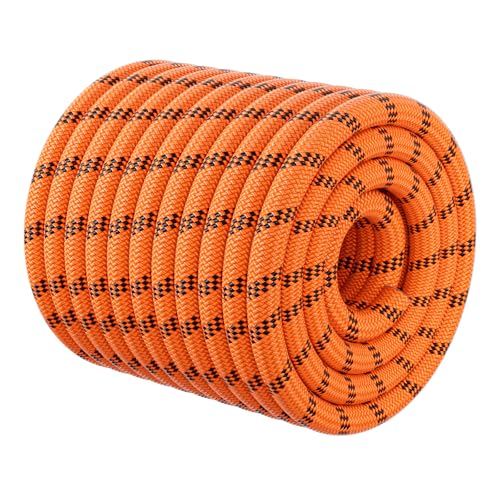
As an Amazon Associate we earn from qualifying purchases at no extra cost to you. Ratings are shown as listed on Amazon.
Quick picks by climbing situation
| Climbing situation | Best rope type | Useful diameter | Typical length | Why it makes sense |
|---|---|---|---|---|
| Indoor top-rope and lead climbing | Standard dynamic single rope | 9.8–10.2 mm | 40–60 m | Durable sheath, easy handling, forgiving with frequent belaying |
| Sport climbing and projecting routes | Dry-treated single rope | 9.4–9.8 mm | 60–80 m | Good balance of low weight, lifespan, and braking control |
| Long alpine routes | Light dry single rope | 8.5–9.2 mm | 50–70 m | Reduces pack weight and rope drag on long approaches |
| Technical ice, mixed climbing, or wet conditions | Dry-treated single or half-rope system | 8.5–9.5 mm | 50–70 m | Improved water resistance and more reliable handling in cold conditions |
What separates the best climbing ropes?
Diameter: handling versus durability
Diameter affects weight, abrasion resistance, rope drag, and how easily a belay device grips the rope. A 10 mm rope generally feels reassuringly solid and tolerates heavy gym use, repeated lowering, and occasional rough anchors well. The trade-off is weight: a 60 m rope can weigh roughly 2.3–2.6 kg, depending on construction.
A 9.5 mm rope is the useful middle ground for many climbers. It is light enough for sport routes but still feeds predictably through common assisted-braking devices. A 9.0 mm rope can save several hundred grams, but it may feel faster through a device and its sheath can show wear sooner if dragged over abrasive rock.
Ropes below about 9 mm are not automatically better alpine choices. They demand careful compatibility checks: the belay device must be approved for that diameter, and the belayer must be comfortable controlling a thinner rope. Always follow both the rope and device manufacturers’ instructions.
Dynamic stretch: protection from impact
Climbing ropes are dynamic because their nylon construction elongates during a fall. A rope with more dynamic stretch can reduce peak impact in a lead fall, but it also produces a longer fall distance and more bounce. A rope with less stretch may feel more precise for top-rope movement and hauling, but it transfers more force during a fall.
For single ropes, a first-fall impact force commonly falls around 7–10 kN under the standardized test used for comparison. This laboratory figure is not the force in every real fall; fall factor, rope length, friction, body weight, protection, and anchor geometry all change the result. Do not select a rope solely because its impact-force number is low.
For sport climbing, moderate stretch and a supple sheath usually provide the best compromise. On multi-pitch routes, some climbers prefer a lighter rope with controlled stretch to reduce weight while retaining dynamic-fall performance. Half ropes and twin ropes are separate systems, not interchangeable with single-rope use unless the manufacturer explicitly approves the application.
Dry treatment: worthwhile beyond ice climbing
A dry-treated rope has treatment applied to the sheath, the core, or both. The treatment reduces water absorption and can help the rope remain more flexible in snow, rain, and freezing conditions. It also tends to reduce the amount of dirt and grit absorbed by the fibers.
For indoor climbing, a full dry treatment is rarely necessary and may not justify the extra cost. For outdoor sport climbing, sheath-only dry treatment is a sensible durability upgrade when the rope will regularly contact dust, wet limestone, or muddy approaches. For alpine, glacier, and ice climbing, a rope with both core and sheath dry treatment offers the strongest case because a wet rope becomes heavier and can stiffen when frozen.
Dry treatment is not waterproofing. A treated rope can still become wet, and it still needs to be dried completely before storage.
Head-to-head: common rope choices
| Rope example or type | Diameter | Approximate weight per metre | Best use | Main compromise |
|---|---|---|---|---|
| Thick gym single rope | 10.0–10.2 mm | 63–70 g | High-frequency indoor climbing and top-roping | Heavy outdoors and creates more rope drag |
| Balanced sport single rope | 9.5–9.8 mm | 58–64 g | Sport routes, cragging, and general outdoor use | Not as light as an alpine rope |
| Light sport rope | 9.2–9.4 mm | 54–59 g | Long sport routes and climbers prioritizing pack weight | Requires more precise belay technique |
| Alpine single rope | 8.5–9.0 mm | 48–55 g | Long alpine routes and glacier travel when rated for the job | Less abrasion margin and faster device handling |
Real products illustrate these categories. The Sterling Evolution Velocity is a well-known thicker single-rope format suited to general cragging and frequent use. The Mammut Crag Sender Dry, Petzl Volta, Edelrid Swift Protect Pro Dry, and Beal Opera represent lighter, dry-treated options designed for climbers who value reduced weight and alpine or technical versatility. Exact diameter, treatment, sheath percentage, impact force, and available lengths vary by version, so check the current technical sheet before buying.
Sheath durability matters more than marketing alone
The sheath is the braided outer covering that receives most abrasion. A higher sheath percentage can improve resistance to fuzzing, but it usually adds weight. A tightly woven sheath often feels smoother and lasts well against normal carabiner and rock contact, while an extremely soft sheath may handle beautifully but show visible wear sooner.
The first warning signs are usually fuzzing, flat spots, glazing, hard sections, or a noticeable change in diameter. Fuzzing alone does not provide a precise retirement date, but progressive sheath damage, exposed core, cuts, chemical contamination, or severe heat glazing are reasons to stop using the rope and seek the manufacturer’s guidance. Retire any rope after a serious event if its condition is uncertain.
Decision matrix: choose for your actual use
| Your priority | Recommended choice | Reason |
|---|---|---|
| Lowest ownership cost and weekly gym use | 10.0–10.2 mm, non-dry or basic dry single rope | Thicker construction usually tolerates frequent lowering and abrasive wall surfaces better |
| One rope for gym and outdoor sport climbing | 9.6–9.8 mm, preferably dry-treated | Manageable indoors while remaining efficient outside |
| Beginners using an assisted-braking device | 9.8–10.2 mm, within the device’s approved range | Typically provides more predictable friction and easier handling |
| Experienced climber carrying gear on long alpine routes | 8.8–9.2 mm full-dry rope rated for the intended use | Reduces rope weight without moving to an exceptionally thin cord |
| Wet, snowy, or icy climbing | Full-dry single, half, or twin system as appropriate | Limits water absorption and freezing-related stiffness |
A simple weight calculation
Rope labels usually list weight per metre. Multiply that figure by rope length to estimate carried weight. For example, a 60 m rope weighing 60 g per metre weighs approximately 3,600 g, or 3.6 kg. A 60 m alpine rope weighing 52 g per metre weighs approximately 3.12 kg. The saving is about 480 g before adding the rope bag.
That difference is meaningful on a long approach, but it may not compensate for the thinner rope’s shorter practical life on a rough crag. If a 9.0 mm rope costs about 20 percent more than a 9.8 mm rope and lasts half as long in your abrasive climbing environment, its cost per climbing day is worse despite the lower pack weight.
Care steps that extend rope life
- Use a rope bag outdoors. It keeps grit out of the sheath and prevents the rope from being dragged directly across the ground.
- Inspect before every session. Run the rope through your hands and look for cuts, stiff patches, flat areas, core exposure, or unusual diameter changes.
- Wash when dirty. Use cool or lukewarm water and a rope-specific cleaner or mild soap approved by the manufacturer. Do not use bleach, solvents, detergents, or a washing machine unless the maker specifically permits it.
- Dry it completely. Spread it loosely in a cool, shaded, ventilated place. Avoid radiators, direct strong sunlight, and artificial heat.
- Store it correctly. Keep it dry, loosely coiled or flaked, away from chemicals, batteries, sharp tools, and vehicle exhaust.
- Record its history. Note the purchase date, major falls, contamination, and heavy-use periods. Follow the manufacturer’s maximum service-life guidance even when the rope looks acceptable.
Bottom line
Choose a 9.5–9.8 mm dry-treated single rope if you want the best all-round balance of handling, durability, and outdoor versatility. Choose 10 mm or thicker for hard-wearing gym and top-rope use, and choose an 8.5–9.2 mm full-dry rope for alpine objectives only when your belay device, experience, and climbing system all support it. Diameter is important, but the right rope is the one whose rating, treatment, length, and handling match the environment where you will actually use it.






Write Your Review
No reviews yet. Be the first to share your experience!