

Key takeaways
- The best binoculars for most hikers and campers are lightweight 8×42 models, while 10×42 binoculars suit open-country wildlife viewing and compact 8×25 or 10×32 models suit travelers who prioritize pack space over low-light performance. Choosing well is less about buying…
The best binoculars for most hikers and campers are lightweight 8×42 models, while 10×42 binoculars suit open-country wildlife viewing and compact 8×25 or 10×32 models suit travelers who prioritize pack space over low-light performance.
Choosing well is less about buying the highest magnification and more about balancing magnification, lens size, field of view, close-focus ability, weather protection, weight, and how comfortably you can hold the binoculars for several minutes at a time.
Our top picks
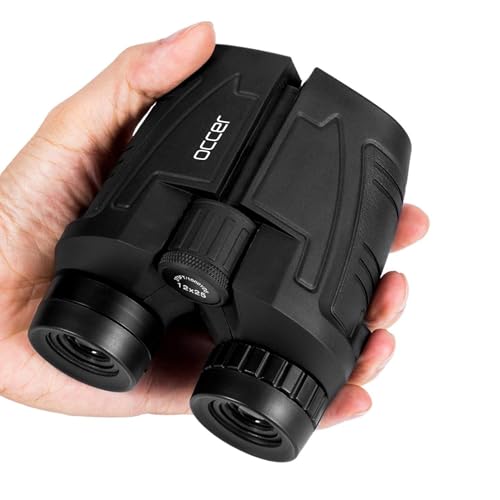
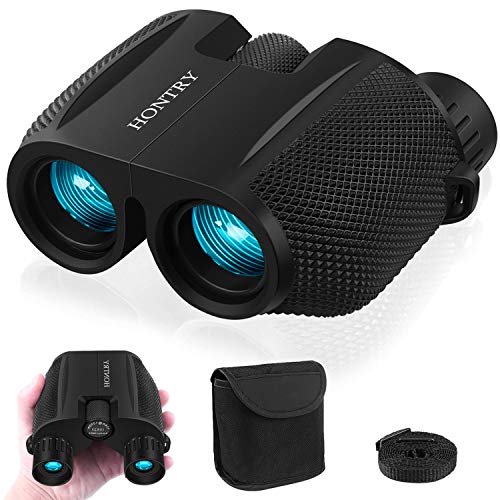


As an Amazon Associate we earn from qualifying purchases at no extra cost to you. Ratings are shown as listed on Amazon.
Best binoculars by outdoor situation
| Situation | Best configuration | Why it fits | Typical market range |
|---|---|---|---|
| General hiking and camping | 8×32 or 8×42 | Stable image, useful field of view, and good performance in shade | $150–$600 |
| Long-distance wildlife in open country | 10×42 | More detail at distance without the bulk of larger objective lenses | $200–$700 |
| Backpacking with strict weight limits | 8×25 or 8×32 | Smaller and lighter, though less capable at dawn, dusk, and in deep shade | $80–$500 |
| Birding in woodland or near camp | 8×42 with close focus under 2 m | Wide view for moving birds and better performance under tree cover | $150–$1,000+ |
| Frequent rain, snow, or coastal use | Nitrogen-purged, waterproof 8×42 or 10×42 | Sealed construction reduces fogging and protects against weather | $200–$1,000+ |
8×42 versus 10×42: which magnification is better?
In an 8×42 binocular, the first number means eight-power magnification and the second means a 42 mm objective lens diameter. A 10×42 magnifies more, but it also produces a narrower field of view, emphasizes hand shake, and can be harder to use while walking or tracking a moving animal.
Choose 8×42 if you are new to binoculars, often watch birds in woodland, want to scan landscapes, or share binoculars with other people. Choose 10×42 if you regularly identify distant animals across fields, mountains, wetlands, or shorelines and can hold the binoculars steadily.
A useful compromise is 8×32. It is often substantially lighter than 8×42 while retaining a comfortable, bright-enough image in daytime. The trade-off appears in low light: a 42 mm objective gathers more light than a 32 mm objective when both designs have comparable optical quality.
Important specifications that listings often hide
Field of view
Field of view is the width of the scene visible at a specified distance, commonly expressed as feet at 1,000 yards or metres at 1,000 metres. A wider view makes it easier to find a bird, follow a moving animal, or scan a ridgeline. High magnification generally reduces field of view, although optical design matters too.
Close focus
Close focus is the nearest distance at which the binoculars can produce a sharp image. A distance of about 1.5 to 2 m is useful for butterflies, flowers, insects, and birds in nearby branches. A model focused only from around 3 m may still be excellent for distant wildlife but less versatile around camp.
Waterproofing and fog resistance
Look for binoculars described as waterproof, sealed, and nitrogen- or argon-purged. These features help prevent internal condensation when moving from an air-conditioned vehicle into humid air or from a warm tent into cold weather. They do not make binoculars indestructible: submersion, saltwater, damaged armor, or a loose eyecup can still cause problems.
Low-light performance
Objective-lens diameter matters, but it is not the whole story. Fully multicoated optics, good glass, accurate alignment, and effective baffling can make a smaller binocular appear better than a poorly made larger one. For dawn and dusk wildlife viewing, 8×42 or 10×42 is usually a safer choice than 8×25. For bright midday hikes, compact binoculars can be entirely adequate.
Viewing comfort
Check the eye relief, especially if you wear glasses. Around 15 mm may work for some users, but 17 mm or more is often more comfortable because you can keep your glasses on and still see the full image. Twist-up eyecups, a smooth central focus wheel, a locking diopter, and a balanced hinge matter more in daily use than a small difference in maximum sharpness.
Representative binoculars worth comparing
| Model | Configuration | Approx. weight | Field of view | Close focus | Best match |
|---|---|---|---|---|---|
| Nikon Monarch M5 | 8×42 | Approx. 650 g | Approx. 110 m at 1,000 m | Approx. 2.5 m | Balanced hiking and wildlife use |
| Vortex Diamondback HD | 10×42 | Approx. 700 g | Approx. 110 m at 1,000 m | Approx. 1.5 m | Value-focused long-distance viewing |
| Celestron Nature DX ED | 8×42 | Approx. 700 g | Approx. 118 m at 1,000 m | Approx. 2 m | Wide-view birding and general camping |
| Zeiss Terra ED | 8×42 | Approx. 695 g | Approx. 125 m at 1,000 m | Approx. 1.6 m | Premium build and comfortable all-purpose viewing |
Weights and specifications can vary by production version and regional documentation, so confirm the exact configuration before buying. The comparison illustrates the more important pattern: these are all full-size binoculars, but field of view, close focus, ergonomics, and price can differ even when the magnification and objective size are identical.
Budget choices: what you gain and give up
Entry-level waterproof binoculars commonly cost about $50–$150. They can be a sensible choice for occasional camping, children, or a first pair, but inspect the focus wheel, hinge tension, and image sharpness carefully. Inexpensive models are more likely to have stiff controls, narrow eye relief, visible edge softness, or inconsistent alignment.
At roughly $150–$400, the best binoculars for many hikers appear: sealed 8×32 and 8×42 models with fully multicoated optics, usable close focus, and better mechanical quality. Above about $500, improvements often include higher-transmission glass, better control of glare and chromatic aberration, smoother focusing, lower weight, and more consistent edge sharpness. Those improvements are most noticeable to frequent birders and wildlife observers, not necessarily to someone using binoculars a few times each year.
How to choose the right pair in five minutes
-
Set the weight limit. If the binoculars will stay in a backpack, aim for roughly 450–700 g. If they will hang from your neck all day, lighter 8×32 models may be more comfortable.
-
Decide how far you usually view. Pick 8x for general scanning and moving subjects; pick 10
Affiliate disclosure. As an Amazon Associate we earn from qualifying purchases at no extra cost to you. Prices accurate as of the date shown.Best Binoculars for Hiking, Camping, and WildlifeCheck price on Amazon





Write Your Review
No reviews yet. Be the first to share your experience!