

Key takeaways
- Remove loose dirt with a soft brush after dusty walks.
- Wash with cool water and mild soap; avoid bleach and harsh solvents.
- Air-dry at room temperature rather than using a radiator, dryer, or direct high heat.
- Rotate two pairs if you walk frequently, allowing foam and moisture more time to recover.
- Do not judge fit only by a short standing test; walk, turn, and climb stairs before keeping the shoes.
The best walking shoes for most people balance cushioned comfort, a secure midfoot, a flexible forefoot, and enough outsole grip for the surfaces you actually use; for a dependable everyday choice, start with the Brooks Ghost 17, New Balance Fresh Foam X 1080v14, or ASICS Gel-Nimbus 27, then choose by fit and walking conditions rather than cushioning alone.
Our top picks


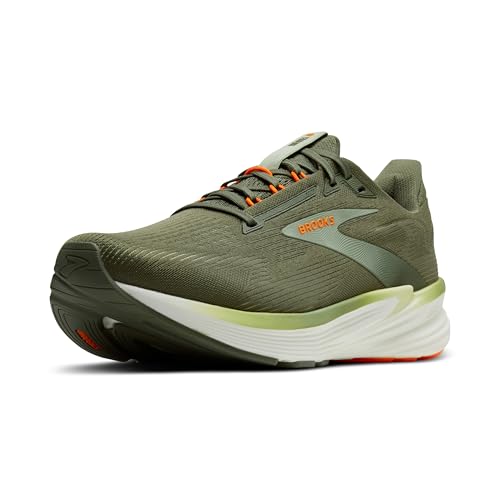
As an Amazon Associate we earn from qualifying purchases at no extra cost to you. Ratings are shown as listed on Amazon.
Best walking shoes at a glance
| Model | Approx. weight* | Heel-to-toe drop | Fit options | Best suited to | Typical price range |
|---|---|---|---|---|---|
| Brooks Ghost 17 | About 10.0 oz / 283 g | 10 mm | Medium, wide, extra-wide | Daily walks, travel, mixed pavement | $140–$160 |
| New Balance Fresh Foam X 1080v14 | About 9.2 oz / 261 g | 6 mm | Standard, wide, extra-wide | Lightweight comfort and long walking days | $150–$165 |
| ASICS Gel-Nimbus 27 | About 10.5 oz / 298 g | 8 mm | Standard, wide, extra-wide | Maximum cushioning on hard surfaces | $165–$180 |
| HOKA Bondi 9 | About 10.5 oz / 298 g | 5 mm | Standard, wide | Very cushioned pavement walking | $170–$180 |
| Skechers GO WALK Arch Fit 2.0 | About 9–11 oz / 255–312 g | Varies by version | Often medium and wide | Budget-friendly casual walking | $70–$100 |
*Approximate men’s US 9 weight for one shoe where published; women’s versions, sizes, and updates can differ. “Wide” availability also varies by color and region.
Our picks by walking situation
Best all-rounder: Brooks Ghost 17
The Ghost 17 is an easy recommendation for daily errands, neighborhood walks, and travel because its cushioning is protective without feeling unusually soft or bulky. The 10 mm drop gives the heel a noticeable amount of lift, while the engineered mesh upper and broad range of widths make it easier to obtain a secure fit. Its rubber outsole is appropriate for pavement, sidewalks, indoor floors, and light, dry paths.
Choose it if you want one familiar-feeling shoe for frequent use. Skip it if you prefer a very low-drop platform, a highly flexible casual shoe, or a dramatically soft, rocker-shaped ride.
Best lightweight comfort: New Balance Fresh Foam X 1080v14
The 1080v14 offers a softer, lighter-feeling alternative to traditional structured walking shoes. Its Fresh Foam X midsole is comfortable for long airport days and extended city sightseeing, and New Balance provides useful width choices, including extra-wide options. The 6 mm drop sits between a conventional running-shoe heel lift and a flatter walking shoe.
The upper is more accommodating than many narrow performance shoes, but do not assume “wide” means a loose heel. Try it with the socks you normally walk in and check that your heel stays seated when climbing stairs. The outsole is well suited to asphalt and concrete; for wet leaves, loose gravel, or muddy trails, select a shoe with deeper, more widely spaced lugs instead.
Best maximum cushioning: ASICS Gel-Nimbus 27
The Gel-Nimbus 27 is designed for shoppers who prioritize a plush, protective platform on hard ground. It has substantial foam underfoot, a padded upper, and a rubber outsole that works well for ordinary urban walking. The extra cushioning can be welcome when you spend hours standing or walking on concrete, but the shoe is heavier and less nimble than lightweight options.
It is a good choice for slow-to-moderate daily walks and travel days where comfort matters more than compact packing. If you dislike a tall, soft shoe or want strong ground feedback, the Ghost 17 or a lighter model may feel more controlled.
Best for very cushioned pavement walking: HOKA Bondi 9
The Bondi 9 combines a thick midsole with HOKA’s rocker-shaped geometry, which can make the transition from heel to toe feel smooth on pavement. It is especially appealing when you want abundant cushioning without selecting a stability shoe. The wide version helps, although the standard fit may feel snug to people with broad forefeet.
The tall sole is not automatically better on every surface. On uneven dirt, sloped grass, or rocky paths, a lower and more flexible shoe can provide a more natural sense of balance. The Bondi is primarily an urban walking shoe, not a hiking shoe.
Best lower-cost casual option: Skechers GO WALK Arch Fit 2.0
Skechers’ GO WALK Arch Fit range is worth considering when the main requirements are low weight, easy comfort, and a lower purchase price. It works well for short daily walks, commuting, and casual travel. Availability, materials, and outsole design vary across GO WALK versions, so inspect the individual model rather than treating the range as one identical shoe.
For frequent long-distance walking, compare its heel hold and outsole rubber with more performance-oriented models. A soft upper can feel comfortable in a store but allow too much foot movement after several hours.
What matters more than the brand name?
Cushioning
More foam reduces the sensation of hard pavement, but maximum cushioning can also increase weight, height, and instability on uneven surfaces. For ordinary daily walking, moderate cushioning is usually the most versatile. Choose a plush model for long hours on concrete; choose a firmer, lighter model if you value control and quick changes of direction.
Support and stability
A supportive walking shoe should hold the heel, resist excessive side-to-side movement, and bend mainly near the toes. It does not need to feel rigid. Look for a firm heel counter, a securely laced midfoot, and a base that is not dramatically narrower than your foot. If you have persistent pain, numbness, or a known foot condition, ask a qualified healthcare professional or podiatrist about appropriate footwear rather than relying on a product description.
Weight
A difference of 1.3 ounces per shoe becomes 2.6 ounces for every step pair. Over 10,000 steps, that is approximately 1,625 extra pounds of shoe mass moved in aggregate:
0.1625 lb × 10,000 steps = 1,625 lb-step units.
This is not the same as lifting 1,625 pounds once, but it illustrates why lighter shoes can feel less tiring over a full travel day. Weight should not override a poor fit or inadequate grip.
Fit and sizing
Measure both feet at the end of the day, when they are usually largest. Leave roughly 10–12 mm of space between the longest toe and the front of the shoe. Your toes should spread without pressing the upper, while the heel should remain planted when you walk. If one foot is larger, fit the larger foot and adjust the smaller side with lacing or a suitable insole.
Widths matter as much as length. A wide shoe should provide extra room through the forefoot, not merely a loose heel. Try shoes with walking socks and walk on a hard surface for several minutes before deciding.
Outsole grip
For sidewalks and indoor floors, a continuous rubber outsole with shallow flex grooves is generally sufficient. For wet pavement and varied park paths, look for rubber covering the heel and forefoot with multidirectional grooves. For gravel or compact dirt, deeper lugs—approximately 3–5 mm—provide more bite, though they may feel noisy and less smooth indoors. No walking shoe should be treated as a substitute for a hiking shoe on mud, steep loose ground, or technical trails.
A simple decision matrix
| Your priority | Best direction | Why |
|---|---|---|
| Daily pavement and one versatile pair | Brooks Ghost 17 | Balanced cushioning, conventional fit, broad width selection |
| Long travel days and lower shoe weight | New Balance 1080v14 | Light feel with soft cushioning and wide sizes |
| Maximum underfoot softness | ASICS Gel-Nimbus 27 or HOKA Bondi 9 | Thick, protective cushioning for hard surfaces |
| Budget-conscious casual walking | Skechers GO WALK Arch Fit 2.0 | Usually costs less and is easy to wear casually |
| Frequent gravel, wet paths, or uneven ground | Trail-walking shoe with 3–5 mm lugs | Prioritizes outsole traction over road-shoe smoothness |
Durability, cleaning, and ownership costs
The outsole commonly wears first at the outer heel and the forefoot flex area. Replace shoes when the tread is visibly smooth, the midsole feels permanently compressed, or the upper can no longer hold your foot—not solely because a calendar date has passed. A rough planning range is 300–500 walking miles, but body weight, surface, gait, and shoe construction can move that figure substantially.
For two 4-mile walks each week, 8 miles per week equals about 416 miles per year. A $150 pair used for 400 miles costs approximately $0.38 per mile; a $90 pair lasting 250 miles costs $0.36 per mile. The cheaper shoe is not automatically the better value if it loses grip or fit sooner.
- Remove loose dirt with a soft brush after dusty walks.
- Wash with cool water and mild soap; avoid bleach and harsh solvents.
- Air-dry at room temperature rather than using a radiator, dryer, or direct high heat.
- Rotate two pairs if you walk frequently, allowing foam and moisture more time to recover.
- Do not judge fit only by a short standing test; walk, turn, and climb stairs before keeping the shoes.
Final recommendation
For the broadest range of daily walks and travel, choose the Brooks Ghost 17 in the correct width. Choose the New Balance 1080v14 when lower weight and a softer feel matter most, the Gel-Nimbus 27 or Bondi 9 when maximum cushioning is your priority, and a trail-walking design when varied surfaces demand deeper grip. The best walking shoes are the pair that leaves toe room, holds your heel, suits your surfaces, and remains comfortable after—not just during—a short try-on.






Write Your Review
No reviews yet. Be the first to share your experience!