

Key takeaways
- Choose the Tsunami 125 or a similar 12- to 13-foot touring kayak for convenient day trips and easier handling. Move to the Tsunami 145, Delta 15.5 GT, or another 14- to 16-foot model when glide, wind control, and storage matter more than compact transport. If…
The best touring kayaks for comfortable day trips are usually 12 to 15 feet long, have adjustable foot braces, a supportive cockpit, enough dry storage for a full day, and either a well-shaped tracking hull or a retractable rudder for wind and current.
Our top picks
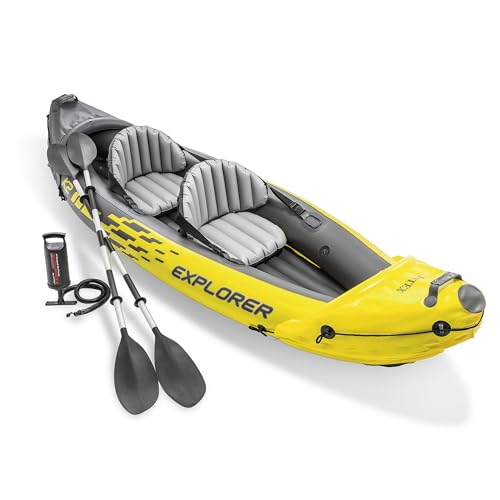


As an Amazon Associate we earn from qualifying purchases at no extra cost to you. Ratings are shown as listed on Amazon.
Quick picks by paddling situation
| Situation | Best fit | Why it makes sense |
|---|---|---|
| Most day paddlers and mixed conditions | Wilderness Systems Tsunami 125 | Balanced tracking, manageable length, comfortable outfitting, and a rudder for wind or current |
| Longer day trips and occasional overnights | Wilderness Systems Tsunami 145 | More glide and storage than a 12.5-foot boat, with enough capacity for touring equipment |
| Lightweight transport and easy handling | Eddyline Sitka LT | Composite construction keeps the boat relatively light while retaining touring performance |
| Efficient paddling at a moderate price | Delta 15.5 GT | Long waterline, substantial storage, and a rotomolded hull designed for distance |
| Beginner-friendly stability | Perception Carolina 14 | Predictable secondary stability, forgiving handling, and a less demanding cockpit |
| Smaller paddler wanting a nimble touring kayak | Dagger Stratos 12.5 S | Shorter hull, lower fit, and easier turning without giving up touring storage |
What makes a touring kayak comfortable?
Comfort is more than a padded seat. A good touring kayak lets you maintain light contact with the foot braces and thigh supports without locking your knees or twisting your hips. The cockpit should hold you securely enough for control but allow an easy exit on shore. Adjustable seat height, back-band tension, foot-brace position, and thigh-hook placement matter more than thick foam alone.
Touring kayaks also reduce effort through hull efficiency. A longer waterline generally tracks better and glides farther per stroke, while a shorter hull responds more quickly when turning. For sheltered lakes and slow rivers, a 12- to 13-foot boat is often easier to live with. For exposed bays, coastal water, or multi-day loads, 14 to 16 feet provides better speed and directional control.
Head-to-head comparison of leading touring kayaks
| Kayak | Length | Typical weight | Capacity | Hull and rudder | Best use |
|---|---|---|---|---|---|
| Wilderness Systems Tsunami 125 | 12 ft 9 in | About 51 lb | 350 lb | Rotomolded polyethylene; retractable rudder | Day touring, smaller paddlers, mixed flatwater conditions |
| Wilderness Systems Tsunami 145 | 14 ft 6 in | About 58 lb | 350 lb | Rotomolded polyethylene; retractable rudder | Long day trips and light overnights |
| Eddyline Sitka LT | 14 ft | About 49 lb | 350 lb | Carbonlite composite; retractable rudder | Efficient touring with reduced lifting weight |
| Delta 15.5 GT | 15 ft 6 in | About 50 lb | 350 lb | Thermoformed ABS; retractable rudder | Distance paddling and larger loads |
| Perception Carolina 14 | 14 ft | About 49 lb | 300 lb | Rotomolded polyethylene; rudder commonly optional | Stable recreational touring |
| Dagger Stratos 12.5 S | 12 ft 6 in | About 50 lb | 315 lb | Rotomolded polyethylene; retractable skeg | Responsive day touring and smaller frames |
Weights and capacities can vary by model year and outfitting package, so check the current manufacturer specification before buying. Usable load is lower than the published maximum once you include paddler, clothing, water, food, safety equipment, and dry bags.
Wilderness Systems Tsunami 125 versus Tsunami 145
These two boats share a stable, moderately narrow touring design, but their personalities differ. The Tsunami 125 is easier to turn, store, and carry to the water. It is a strong choice for day paddlers who use small lakes, winding rivers, and protected coastal routes. Its rudder helps when crosswinds push the bow off course, but the hull remains manageable without constant rudder input.
The Tsunami 145 has a longer waterline and usually feels more composed when loaded. It maintains momentum better between strokes and offers more room for camping equipment. Choose it if your normal outings cover several miles, involve open water, or may become overnight trips. The trade-off is a larger turning radius and more demanding roof-rack handling.
Eddyline Sitka LT versus Delta 15.5 GT
The Sitka LT is appealing when transport weight is a deciding factor. Its composite construction is lighter than many polyethylene kayaks, which makes loading and unloading less tiring. It tracks efficiently, has a refined cockpit, and suits paddlers who value miles per outing. Composite material requires more care around rocks and rough landings, although routine shoreline contact is not automatically a problem.
The Delta 15.5 GT is a more load-oriented option. Its longer hull carries momentum and supplies generous storage for extended day trips or compact overnights. Thermoformed ABS is lighter than typical rotomolded polyethylene and is generally easier to repair cosmetically than a composite hull. Its length makes it less convenient in narrow streams and more awkward in a garage or on a small vehicle.
Perception Carolina 14 versus Dagger Stratos 12.5 S
The Carolina 14 favors predictable stability and relaxed recreational touring. It is suitable for newer paddlers who want a kayak that does not feel nervous when they look around, take photographs, or enter and exit at a beach. If you regularly paddle in wind or carry a substantial load, confirm whether the exact package includes a rudder and consider the added cost.
The Stratos 12.5 S is more maneuverable and has a snugger fit for smaller paddlers. Its retractable skeg improves tracking without the underwater hardware of a rudder. A skeg does not steer the kayak; it adds directional resistance. That makes it useful for correcting weathercocking while preserving a clean, responsive turn when retracted.
Hull tracking, stability, and maneuverability
Tracking is the kayak’s tendency to continue in a straight line. Length, waterline, rocker, chines, and the skeg or rudder all affect it. A narrow, long hull usually tracks and glides well, but can feel less forgiving when waves approach from the side. A wider hull feels stable at rest, though excessive width can make paddling inefficient for a smaller person.
Look for both primary and secondary stability. Primary stability is the steady feeling when the boat is upright and flat. Secondary stability is the support you feel as the kayak leans farther. For relaxed day trips, moderate primary stability with dependable secondary stability is often more useful than a very wide, flat hull.
Rudders are valuable in crosswinds, current, and heavily loaded boats. They can also hide poor paddling technique if left deployed constantly. A retractable rudder adds cables, pedals, and an underwater blade that need inspection. A skeg is simpler and often quieter, but it cannot help you actively turn toward a landing.
Storage and cockpit fit
For a day trip, plan space for water, lunch, spare layers, first-aid supplies, navigation equipment, a repair kit, and a dry phone or communication device. A kayak with two sealed hatches is more useful than one with a large open tankwell if you paddle in waves. Bow and stern hatch volumes are commonly advertised in gallons, but narrow hatch openings can make packing difficult.
Before purchase, sit in the kayak for at least 10 minutes. Your heels should rest naturally on the foot braces, your knees should contact the thigh supports without force, and you should be able to exit without catching your legs. A cockpit that is too large reduces control; one that is too small makes entry, exit, and clothing choices frustrating.
Transport demands that are easy to underestimate
A 50-pound kayak can still be difficult if it is 15 feet long and has awkward carry handles. Measure your storage space diagonally, including door openings and ceiling height. For vehicle transport, use a properly secured roof rack or trailer system, two cam straps, and bow and stern lines when appropriate. Do not use ratchet straps that can crush the hull.
Polyethylene kayaks tolerate abuse but are heavy and can deform if stored tightly on their side or flat on the hull for long periods. Thermoformed and composite boats are lighter but deserve more care during rocky launches. Store any kayak supported near its bulkheads, protected from prolonged ultraviolet exposure, and with hatches open for ventilation.
A practical buying decision matrix
| Your priority | Recommended direction | Compromise to expect |
|---|---|---|
| Budget roughly $900–$1,500 | Rotomolded 12- to 14-foot kayak such as a Carolina or Stratos | More lifting weight and potentially less refined outfitting |
| Frequent paddling and long distances | 14- to 16-foot hull with a rudder or adjustable skeg | More storage and roof-rack space required |
| Limited storage or solo loading | 12- to 14-foot kayak under about 50 lb | Less glide and lower carrying capacity than a full-size expedition hull |
| Occasional paddler and maximum durability | Polyethylene recreational touring kayak | Surface scratches and heavier handling |
| Multi-day touring | Capacity of at least 325 lb, two sealed compartments, and efficient 14- to 16-foot hull | Heavier loading, slower turning, and higher purchase cost |
Ownership costs and maintenance
Expect general market prices of roughly $900 to $1,600 for well-equipped polyethylene touring kayaks, $1,500 to $2,500 for thermoformed models, and about $2,500 or more for many lightweight composite kayaks. Add a paddle, personal flotation device, spray skirt if needed, roof transport, paddle float, bilge pump, and dry storage. Those accessories can add several hundred dollars.
Rinse salt and sand from rudder cables, pedals, hatch rims, and deck lines after coastal use. Dry the cockpit and hatches before storage. Inspect rudder cables for fraying, hatch covers for loss of seal, deck bungees for ultraviolet damage, and seat hardware for looseness. The parts most likely to need attention are hatch seals, bungee cord, rudder lines, foot-brace hardware, and seat straps rather than the main hull.
One common mistake is judging capacity by empty-hull volume. A 180-pound paddler carrying 35 pounds of equipment already places 215 pounds in the boat; adding a 350-pound rating leaves theoretical headroom, but loading affects trim long before the maximum is reached. Pack heavy items low and near the cockpit, distribute weight fore and aft, and keep emergency equipment accessible.
Bottom line
Choose the Tsunami 125 or a similar 12- to 13-foot touring kayak for convenient day trips and easier handling. Move to the Tsunami 145, Delta 15.5 GT, or another 14- to 16-foot model when glide, wind control, and storage matter more than compact transport. If lifting weight is your limiting factor, the Eddyline Sitka LT is worth considering; if confidence and simplicity matter most, the Perception Carolina 14 is the more forgiving direction. The best touring kayaks are the ones whose cockpit fits your body, capacity matches your real load, and length you can safely transport often enough to use.






Write Your Review
No reviews yet. Be the first to share your experience!