

Key takeaways
- The best ski helmets for most people are the Smith Vantage MIPS for all-mountain use, the Giro Jackson Mips for value, the POC Obex MIPS for a light everyday helmet, and the Sweet Protection Trooper 2Vi MIPS for maximum coverage…
The best ski helmets for most people are the Smith Vantage MIPS for all-mountain use, the Giro Jackson Mips for value, the POC Obex MIPS for a light everyday helmet, and the Sweet Protection Trooper 2Vi MIPS for maximum coverage and premium construction.
A good helmet is not simply the one with the most vents or the lowest weight. It must fit securely without pressure points, remain compatible with your goggles, meet recognized snow-sport standards, and provide useful protection without encouraging you to ski beyond your ability. The recommendations below focus on those practical trade-offs.
Our top picks

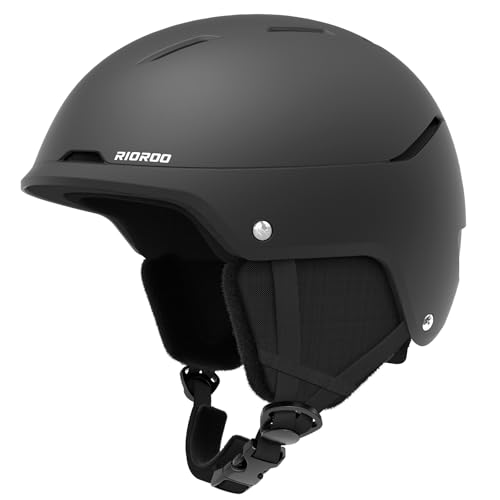

As an Amazon Associate we earn from qualifying purchases at no extra cost to you. Ratings are shown as listed on Amazon.
Best ski helmets at a glance
| Helmet | Best for | Safety technology | Approx. weight | Typical market range |
|---|---|---|---|---|
| Smith Vantage MIPS | Premium all-mountain use | MIPS, hybrid construction | About 500–550 g, size M | $220–$280 |
| Giro Jackson Mips | Value and resort skiing | MIPS, in-mold construction | About 450–500 g, size M | $120–$170 |
| POC Obex MIPS | Low weight and simple adjustability | MIPS, in-mold construction | About 450–500 g, size M | $160–$220 |
| Sweet Protection Trooper 2Vi MIPS | Maximum coverage and premium protection | 2Vi, MIPS, multi-density liner | About 600–650 g, size M/L | $250–$300 |
| Oakley MOD5 MIPS | Large goggles and removable brim | MIPS, hybrid construction | About 550–600 g, size M | $200–$260 |
Weights are approximate because shell size, production year, and included accessories affect the result. Treat them as comparisons rather than laboratory measurements.
Our picks by skiing situation
Best overall: Smith Vantage MIPS
The Smith Vantage MIPS is a strong choice if you ski frequently and want one helmet for groomers, trees, and occasional powder days. Its hybrid shell combines a hard outer section with in-mold construction, while MIPS is designed to allow limited movement between the helmet and head during certain angled impacts. That does not make the helmet concussion-proof, but it adds a rotational-impact feature many buyers want.
The Vantage is particularly good for temperature control. Its adjustable vents let you open airflow while climbing or close it in cold wind, and the BOA-style dial gives fine fit adjustment. Smith’s goggle integration is also a major advantage: compatible Smith goggles can sit cleanly against the brim, reducing the chance of a large gap or “goggle gap.”
Choose it when comfort over long days matters more than minimum price. Its drawbacks are the premium cost and a fit that may feel too snug for unusually round or unusually narrow heads.
Best value: Giro Jackson Mips
The Giro Jackson Mips delivers the features most resort skiers actually need without moving into premium pricing. Its in-mold shell keeps weight moderate, the adjustment system provides useful circumference range, and the low-profile shape works with many goggles. Ventilation is less elaborate than on top-tier helmets, but it is adequate for lift-served skiing and cold-weather use.
It is a sensible first helmet for someone skiing several days per season, especially when budget matters. Check the exact model year before buying because Giro has sold closely related Jackson versions with different liners, audio compatibility, and safety features. Confirm that the model label says Mips if rotational-impact protection is a priority.
Best lightweight everyday option: POC Obex MIPS
The POC Obex MIPS is appealing to skiers who dislike the feeling of a bulky helmet. It has a relatively light in-mold construction, a compact shape, and a simple adjustment system that can be operated with gloves. The ventilation layout is designed to work with POC goggles, but its shape is also broadly compatible with other brands.
The Obex is a good choice for frequent resort days, beginners who want an unobtrusive helmet, and anyone who wears a helmet for several hours at a time. Its relatively minimal design means fewer removable parts to lose. Compared with heavier freeride helmets, it may provide less of the substantial, deep-coverage feel some skiers prefer.
Best for coverage and rugged construction: Sweet Protection Trooper 2Vi MIPS
The Trooper 2Vi MIPS targets skiers who prioritize a protective, confidence-inspiring shell over the lowest weight. Sweet Protection’s 2Vi construction uses a multi-layer approach, and the helmet has a deeper, more substantial fit than many lightweight resort models. It is well suited to aggressive resort skiing, mixed terrain, and people who prefer more coverage around the back and sides of the head.
The trade-off is easy to understand: more structure usually means more weight, more bulk, and a higher price. Try it with your goggles before purchasing, because the deeper shell and brim shape may not suit every goggle frame.
Best for goggles and modular venting: Oakley MOD5 MIPS
The Oakley MOD5 MIPS is worth considering if goggle integration is your main frustration. Its brim and shell are designed around larger goggles, and the removable brim system gives the helmet a degree of modularity. That can be useful if you switch between goggles or want to replace a damaged brim rather than discard the whole helmet.
It is heavier and more expensive than a basic in-mold helmet, but the extra structure can feel worthwhile for skiers who regularly encounter variable weather and large goggles.
What safety certifications actually tell you
Look for a label showing ASTM F2040, CE EN 1077, or both. ASTM F2040 is a U.S. standard for non-motorized recreational snow-sport helmets. EN 1077 is the European standard for alpine-ski and snowboard helmets. UK buyers may also see UKCA marking. These certifications indicate that the helmet has been assessed against the relevant standard; they do not rank one certified helmet as universally safer than another.
MIPS and similar rotational-impact systems address a different design concern from certification. They may help manage some angled impacts, but no helmet eliminates the risk of serious injury. Replace a helmet after a significant impact even if the shell looks normal, and do not buy a used helmet when its impact history is unknown.
Decision matrix: which helmet type fits your use?
| Your situation | Prioritize | Best direction |
|---|---|---|
| 1–5 ski days per year | Certified protection, basic adjustment, reasonable price | Giro Jackson Mips or a certified in-mold helmet in the $100–$170 range |
| 10 or more resort days per year | Ventilation, liner comfort, replaceable padding, precise fit | Smith Vantage MIPS or POC Obex MIPS |
| Tree skiing, freeride, or higher-speed terrain | Deep coverage, stable fit, rotational-impact feature | Sweet Protection Trooper 2Vi MIPS or another deep-fit MIPS helmet |
| Large goggles or frequent lens changes | Brim clearance, goggle garage, compatible vents | Oakley MOD5 MIPS or a helmet from the same brand as your goggles |
| Warm-weather skiing or touring approaches | Adjustable airflow and low weight | POC Obex MIPS or a lightweight helmet with closable vents |
How to get the fit right
Measure around your head approximately 2 cm above your eyebrows and ears, then compare the result with the manufacturer’s size chart. A medium shell is not a universal measurement: one brand’s medium may cover roughly 55–59 cm, while another may use 55–58 cm.
- Put the helmet on without tightening the dial. It should sit level, with the front edge about two finger widths above your eyebrows.
- Adjust the rear dial until the helmet stay
Affiliate disclosure. As an Amazon Associate we earn from qualifying purchases at no extra cost to you. Prices accurate as of the date shown.Best Ski Helmets for Comfort and ProtectionCheck price on Amazon





Write Your Review
No reviews yet. Be the first to share your experience!