

Key takeaways
- 8x: easiest to hold steady and fastest for locating moving animals.
- 10x: the most versatile choice for mixed terrain and long-range hunting.
- 12x: useful for stationary glassing, but usually needs a brace or tripod.
- 32 mm objectives: light and compact, best when daylight and pack weight dominate.
- 42 mm objectives: the strongest general-purpose compromise.
- 50 mm objectives: brighter-looking in poor light, but heavier and bulkier.
The best hunting binoculars for most hunters are 10×42 roof-prism binoculars: they provide useful long-range magnification, a bright enough image for dawn and dusk, and a manageable balance of field of view, weight, and durability.
Our top picks


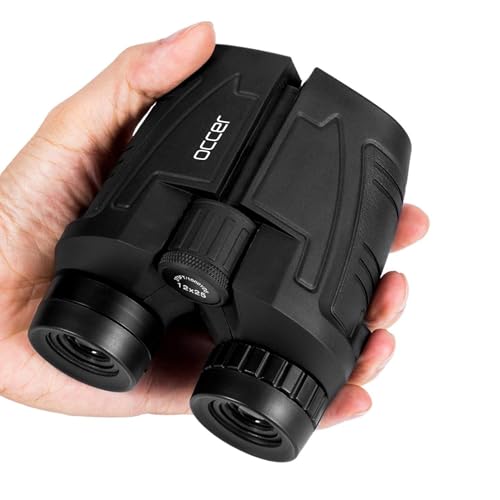

As an Amazon Associate we earn from qualifying purchases at no extra cost to you. Ratings are shown as listed on Amazon.
Best Hunting Binoculars at a Glance
| Best for | Recommended configuration or model | Key specifications | Typical market range in 2026 |
|---|---|---|---|
| Most western big-game hunting | 10×42 roof prism | 10x magnification, 42 mm objective, usually 6.0–7.0° field of view, about 22–28 oz | $250–$1,500 |
| Dense woods and moving game | 8×42 roof prism | 8x magnification, 42 mm objective, usually 7.0–8.5° field of view, about 21–28 oz | $200–$1,400 |
| Long-range glassing from a stationary position | 12×50 roof prism | 12x magnification, 50 mm objective, usually 4.5–5.5° field of view, about 27–35 oz | $300–$1,700 |
| Lightweight mountain hunts | 10×32 or 8×32 roof prism | 32 mm objective, usually 15–21 oz, narrower exit pupil and weaker twilight performance | $250–$1,200 |
| Budget-conscious general use | Vortex Diamondback HD 10×42 | 10×42, approximately 24 oz, waterproof and fogproof, wide accessory support | $200–$300 |
| Premium all-around use | Leupold BX-4 Pro Guide HD 10×42 | 10×42, approximately 24 oz, waterproof and fogproof, strong low-light-oriented optical design | $600–$800 |
Specifications can vary slightly by production revision, so confirm the manufacturer’s current sheet before buying. The most important comparison is not simply “more magnification.” It is how much detail you can resolve while holding the binoculars steadily, finding an animal quickly, and seeing it as legal shooting light fades.
Choose by Hunting Situation
Western mountains, open desert, and alpine basins
Choose 10×42 binoculars for the best balance. Ten-power magnification gives a useful advantage when judging antler points, horns, or animal movement across open country, while a 42 mm objective keeps the binoculars smaller and lighter than most 50 mm models. A tripod adapter is valuable if you spend hours glassing from one basin to another.
Examples include the Vortex Razor HD 10×42, Leupold BX-4 Pro Guide HD 10×42, Maven C1 10×42, and comparable 10×42 binoculars from established manufacturers. Premium models generally provide better edge sharpness, contrast, glare control, and low-light performance; they do not eliminate heat shimmer, atmospheric haze, or poor focusing technique.
Timber, brush, and whitetail hunting
Choose 8×42 binoculars when animals can appear at short or medium distances. The lower magnification produces a wider field of view and a steadier image, making it easier to locate a deer between trunks or follow movement through brush. An 8×42 binocular can also be more forgiving when used from an awkward treestand position.
The wider view is a practical advantage: a binocular with an 8° field of view shows roughly 40% more horizontal scene width than one with a 6° field of view at the same viewing distance. Exact coverage depends on the model and how the manufacturer measures the field.
Long-range observation from a ridge or vehicle
Choose 12×50 binoculars when you will remain stationary and need extra detail at long distances. The 50 mm objectives collect more light and provide a larger exit pupil than many compact models, but the trade-offs are significant: more weight, a narrower field of view, and more visible hand shake.
For repeated glassing beyond roughly 1,000 yards, a spotting scope often makes more sense than relying on 12x binoculars alone. Binocular vision remains comfortable for extended scanning, while a scope can provide greater detail when you have already located a specific animal.
Backcountry hunts where every ounce matters
Choose 8×32 or 10×32 binoculars if your priority is minimum pack weight. Many weigh between 15 and 21 ounces, saving around half a pound compared with some 10×42 models. They are convenient for quick checks and bright daytime conditions, but their smaller objective lenses provide a smaller exit pupil and less margin in dim light.
For example, a 10×32 binocular has a 3.2 mm exit pupil, while a 10×42 has a 4.2 mm exit pupil. Exit pupil is calculated by dividing objective diameter by magnification. The larger figure does not guarantee superior glass, but it generally makes the view more forgiving as light levels fall or your eyes are not perfectly aligned.
Magnification and Objective Size: What the Numbers Mean
- 8x: easiest to hold steady and fastest for locating moving animals.
- 10x: the most versatile choice for mixed terrain and long-range hunting.
- 12x: useful for stationary glassing, but usually needs a brace or tripod.
- 32 mm objectives: light and compact, best when daylight and pack weight dominate.
- 42 mm objectives: the strongest general-purpose compromise.
- 50 mm objectives: brighter-looking in poor light, but heavier and bulkier.
A large objective lens does not automatically mean a sharper image. Optical coatings, lens quality, internal baffling, prism design, and glare control also affect what you see. A well-made 42 mm binocular can outperform a poorly made 50 mm model in contrast and detail.
Low-Light Performance and Field of View
Hunters often compare binoculars by twilight performance, but the useful result depends on several factors. Look for fully multi-coated optics, good transmission, a clean black background, controlled flare, and a focusing mechanism that remains precise. High-quality glass can help separate a dark animal from a shadowed hillside, but it cannot legally extend the shooting window beyond local regulations.
Field of view matters whenever you are searching rather than inspecting. A narrow view may show more apparent detail at the center, but it can make an animal harder to find. For timber hunting, prioritize a broad field of view and easy handling. For ridge glassing, resolution and contrast may matter more than a few tenths of a degree.
Waterproofing, Fogproofing, and Build Quality
For hunting, choose binoculars labeled waterproof and nitrogen- or argon-purged for fog resistance. These features help protect the internal optical system when binoculars move between a cold truck, a warm cabin, rain, and body heat. They do not mean the binoculars should be intentionally submerged or left uncovered in heavy rain.
Pay attention to the armor and hinges as well as the optical specifications. Rubber armor protects against minor knocks and improves grip, while a firm center hinge reduces unwanted movement between the barrels. Twist-up eyecups should have positive intermediate stops if you wear glasses.
Common wear points include eyecup mechanisms, neck-strap attachment points, lens-cover hinges, and the focus wheel. A transferable or long-term warranty can be valuable because a repair may cost a meaningful portion of a budget binocular’s purchase price.
Decision Matrix for Buyers
| Your priority | Best starting point | Why | Acceptable compromise |
|---|---|---|---|
| First binoculars, mixed terrain | 8×42 or 10×42 around $200–$500 | Good usability without a premium price | Less edge sharpness or low-light contrast than premium glass |
| Frequent western hunting | 10×42 in the $600–$1,500 range | Better contrast, coatings, ergonomics, and service support | Higher cost and often slightly greater weight |
| Ultra-light backpacking | 8×32 or 10×32 under about 21 oz | Saves pack weight and space | Reduced low-light margin and usually a smaller view |
| Long stationary glassing | 12×50 with tripod compatibility | More reach and a larger exit pupil | Less comfortable for quick handheld scans |
| Wet coastal or harsh-weather hunting | 10×42 with sealed construction and strong armor | Better protection against moisture and impacts | Confirm that caps and straps are secure in foul weather |
How to Set Up and Maintain Hunting Binoculars
- Set the eyecups first. Fold or twist them down if you wear glasses; extend them if you do not. This positions your eyes correctly for the full field of view.
- Adjust the center hinge. Move the barrels until you see one circular image rather than two overlapping circles.
- Calibrate the diopter. Close the eye on the diopter side, focus the other side on a distant high-contrast object, then open the other eye and adjust the diopter without changing the center focus.
- Clean dust before wiping. Blow away grit, then use a clean lens brush or microfiber cloth. Rubbing dry dust across the coating can create fine scratches.
- Dry before storage. Remove surface moisture, leave the binoculars open briefly in a dry room, and store them in a case away from extreme heat.
Avoid household glass cleaner, shirt fabric, paper towels, and compressed air held close to the lenses. Salt spray and dried mud deserve special care: remove them with clean water according to the manufacturer’s instructions rather than grinding them into the coating.
Final Buying Recommendation
For most hunters, start with a waterproof 10×42 roof-prism binocular weighing no more than about 28 ounces and offering a field of view near 6° or wider. Choose 8×42 instead if you hunt mostly in timber or struggle to hold 10x steady. Choose 12×50 only when long-range glassing is central to your hunt and you are prepared to use a stable support. The best hunting binoculars are the ones whose magnification, brightness, field of view, and weight match the terrain you actually hunt—not simply the model with the largest numbers.





Write Your Review
No reviews yet. Be the first to share your experience!