

Key takeaways
- Use this tiger eye camp rock study and trail note routine to observe banded quartz at camp, sketch the silky bands, and keep tidy notes on the trail.
Tiger eye rewards a slow look. The stone is a banded quartz, and when light moves across a polished face the bands seem to glide, giving off a silky sheen that rock collectors call chatoyancy. At a campsite, that shifting glow turns a quiet hour into a small study session: a specimen on the picnic table, a notebook open beside it, and the light changing as the afternoon moves along. You do not need a laboratory or a heavy kit to enjoy it. A few tumbled pieces, a pocket notebook, and a calm routine are enough to turn an ordinary camping trip into a gentle geology outing that the whole camp can share.
This guide lays out a simple camp rock-study and trail-note routine built around tiger eye. It covers how to observe the bands, how to sketch what you see before the light changes, and how to keep notes that still make sense weeks later back home. The five items below support that routine: pouches for carrying specimens, notebooks for the trail log, ice pop bags for a cold camp treat, a maple flavored syrup for slow mornings, and a salt lamp at home base for the evening sort and sketch session after the trip.
As an Amazon Associate, we earn from qualifying purchases.
How to choose
Begin with the stone itself. Tiger eye shows its bands far more clearly in tumbled or polished pieces than in rough chunks, so carry a small mix: one or two polished pieces for studying the sheen, plus a rougher piece for comparing how the bands look before polishing. Hold each piece at arm’s length, then close up, and tilt it slowly. The silky band should appear to move as the angle changes. Note the colors you see — honey, amber, deep brown, and sometimes a reddish tone — and write down which piece shows the clearest glide.
Next, think about how you will record the moment. Light at camp changes quickly, so a pocket notebook that opens fast and lies flat beats a bulky journal. Sketch the band pattern first, even with rough lines, and add words after: time of day, cloud cover, and where the sun sat. A drawing made in two minutes often holds more truth than a paragraph written from memory.
Finally, plan the carry. Specimens are small but heavy for their size, and sharp edges on rough pieces can scuff softer gear. Individual pouches keep pieces apart, protect finishes, and make it easy to hand one piece around the table without passing a whole bag. Choose a setup you can pack in minutes, because a routine that feels fussy will be skipped by the second day of the trip.
Vantasii Canvas Zipper Pouches
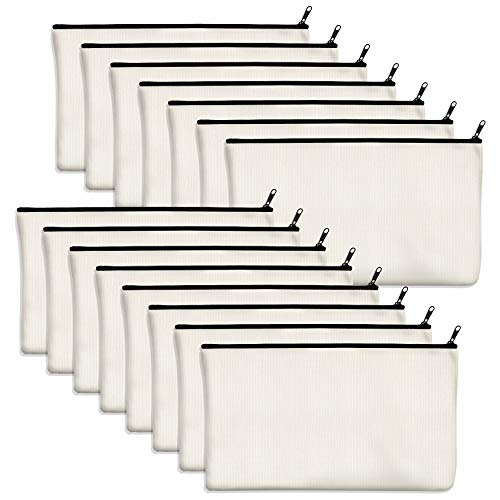
Loose stones rolling around a daypack are a nuisance: they clink, they gather grit, and the polished faces rub against zippers and keys. The Vantasii canvas zipper pouches solve that with a simple idea — one specimen per pouch, zipped shut, and stacked flat in a pocket. With fifteen pouches in the pack, a small study group can keep a whole row of tiger eye pieces separate: polished pieces in some, rough pieces in others, and a spare pouch or two for any interesting pebble found along the trail.
Canvas suits camp life well. It shrugs off dust, sits quietly in a pack without crinkling, and can be brushed clean at the table. The zipper closure matters more than it sounds. A drawstring bag can spill when a pack tips over in the tent, while a zip keeps each stone in its own place through the drive home. Labeling is easy too: slip a small paper tag inside the pouch with the specimen, noting where it came from and the date, and the pouch becomes a tiny archive.
One honest limit belongs in any plan: these pouches are not waterproof, and the Specs line below says so plainly. If rain threatens, slide the pouches into a dry sack or keep them inside the tent. For dry-weather sorting, sketching sessions, and the trip home, they keep a tiger eye set tidy, quiet, and ready to open the moment the light turns good.
Specs
- Pack count: 15 pouches
- Material: Canvas
- Closure: Zipper
- Water resistance: Not waterproof
feela Pocket Notebooks

A rock-study routine lives or dies by its notes, and the feela pocket notebooks fit the job because they go everywhere the stones go. The three-pack format lets you split the record-keeping: one notebook for trail notes and quick sketches, one for the evening sort back at camp, and one spare that lives in the glove box for the drive home. Small pages are a virtue here. They push you toward short, clear entries — a sketch of the band pattern, the time, the light, and a line about how the sheen moved when the stone tilted.
The pocket size also helps at the specimen table. A big journal crowds the stones and invites spills; a pocket notebook tucks beside the pouches and opens only when there is something worth writing. Many campers find that a drawing plus five words beats a full page of prose, and these little books reward that habit. When one fills up, the next is already in the pack, so the log never has a gap.
A note on what belongs in them: logs, lists, sketches, and reminders are perfect. Full passwords are not — keep those in a proper password manager instead, and let these notebooks carry the trip record: packing lists, specimen tags, and the small observations that make a tiger eye collection feel personal over time.
Specs
- Pack count: 3 notebooks
- Format: Pocket size
- Use: Logs, lists, and sketches
Patelai Ice Pop Bags

Rock study is patient work, and a cold treat at the table keeps the session cheerful, especially when younger campers join in. The Patelai ice pop bags let you freeze juice, flavored drinks, or a simple fruit blend at home before the trip, carry the filled bags in the cooler, and snip one open whenever the group takes a break from sketching. The long, narrow shape freezes evenly and fits into cooler corners that a rigid container would waste.
At camp, the bags earn their place in the routine in small ways. A frozen pop doubles as a cold pack for the ride to the trailhead. Eaten slowly, it buys ten quiet minutes while the light shifts and the tiger eye bands change character — often the exact moment when a piece shows its clearest sheen. Because each pop is sealed in its own bag, there are no drips across notebooks and no sticky stone surfaces to wipe before handling the specimens.
Cleanup is simple: the empty bags go straight into the camp trash, and nothing needs washing at the site. Fill them the night before departure, freeze them flat so they stack, and let them be the sweet pause that keeps a study session relaxed rather than rushed.
Specs
- Product type: Ice pop bags
- Use: Fill, freeze, and snip open
- Storage: Freezer and cooler friendly
Lakanto Sugar Free Maple Syrup

Slow camp mornings pair well with rock study. Pancakes or warm oats at the picnic table, a row of tiger eye pieces catching the early light, and notebooks open for the day’s plan — that is the rhythm this syrup supports. The Lakanto syrup is a sugar free maple flavored syrup, and it pours like a familiar breakfast syrup over camp staples, from flapjacks cooked on a griddle to a bowl of oatmeal eaten while the mist lifts off the water.
Its role in the routine is simple hospitality. A warm, sweet breakfast keeps everyone at the table a little longer, and table time is study time: pieces get passed around, sketches get compared, and the day’s trail plan takes shape without anyone feeling hurried. The bottle travels in the food bin and comes out only at meals, so it never crowds the specimen kit.
Keep the claims plain, as this guide does throughout: this is a maple flavored syrup for breakfast foods, chosen because a good camp breakfast anchors the morning session. It makes no promises beyond flavor, and flavor at a campsite table, with sunlight moving across banded quartz, is honestly enough.
Specs
- Product type: Maple flavored syrup
- Sweetening: Sugar free
- Use: Pancakes, oats, and camp breakfasts
Himalayan Glow Salt Lamp

The last item in this routine never goes near the tent, and that is deliberate. The Himalayan Glow salt lamp is a mains-powered home-base piece: it plugs into a wall outlet in the room where your collection lives, and it gives off a warm, decorative glow for the evening sort after the trip. Unpack the pouches on a table at home, line the tiger eye pieces up under that steady lamplight, and finish the sketches and notes while the trip is still fresh in mind.
That home session matters. Field notes are hurried by nature — a few lines, a rough drawing, a note about the light. At home, under a calm and even glow, you can tilt each piece again, compare the bands with your sketches, and write the fuller entry that the log deserves. The lamp’s warm tone suits the amber and honey colors of tiger eye, and it turns a desk corner into a small display spot for the pieces you studied.
Keep the framing honest: the lamp is decorative. It offers a warm glow for display and evening sorting, nothing more — no air claims, and it is not a grow light for plants. It needs a wall outlet, so it stays home while the stones travel. Used that way, it closes the routine: observe at camp, record on the trail, and finish the story at home base.
Specs
- Power: Mains powered, wall outlet
- Light: Warm decorative glow
- Setting: Home base only
FAQ
What makes tiger eye worth studying at camp?
Tiger eye is a banded quartz with a silky sheen called chatoyancy. When you tilt a polished piece, the light band appears to glide across the surface. Camp light changes all day, so a piece looks different at dawn, noon, and dusk, which gives a simple study routine plenty to observe and sketch.
How many specimens should a beginner carry?
Three to five pieces are plenty. A mix works well: two polished pieces for studying the sheen, one rougher piece for comparison, and a spare pouch for anything found along the trail. More than that adds weight and makes the evening sort feel like a chore rather than a pleasure.
Can the salt lamp come along in the tent?
No. The lamp is mains powered and needs a wall outlet, so it stays at home base. Its job is the evening sort after the trip: unpacking the pouches, lining up the pieces, and finishing sketches and notes under a warm decorative glow at a desk or table.
What should go in the trail notebook?
Keep entries short: a quick sketch of the band pattern, the time of day, the weather and light, and one line about how the sheen moved when the stone tilted. Add packing lists and specimen tags if you like. Never write full passwords in a paper notebook; use a password manager for those.
Final verdict
A tiger eye study routine asks for very little: a few banded pieces, a way to carry them without scuffs, a notebook that opens fast, and unhurried table time at camp and at home. The Vantasii pouches keep specimens separate and quiet in the pack, with the honest limit that they are not waterproof. The feela notebooks carry the sketches and logs that turn casual looking into a real record. The Patelai ice pop bags and the Lakanto maple flavored syrup keep the table cheerful, which keeps people lingering while the light does its work. And the Himalayan Glow salt lamp waits at home base, a mains-powered decorative glow for the final sort. The five pieces form a calm, repeatable routine that fits any camping trip.
Product and ASIN Reference
| Product | ASIN |
|---|---|
| Vantasii Canvas Zipper Pouches | B08CMQ6QG4 |
| feela Pocket Notebooks | B0BG4MFCZC |
| Patelai Ice Pop Bags | B08QRBK9LJ |
| Lakanto Sugar Free Maple Syrup | B07PV3M9VD |
| Himalayan Glow Salt Lamp | B002LZUE76 |
More from Amazon
Programs that pair well with the guide above. Offers and eligibility are set by Amazon and may change.
Free shipping on eligible items, Prime Video and more. Eligible new members can start with a free trial.
Start a Prime free trialA Prime membership for ages 18-24 with a trial period. Eligibility is set by Amazon.
See Prime for Young AdultsAudiobooks and podcasts to listen to on the go. Eligible new members can start with a free trial.
Try Audible freeAd-free music streaming. Eligible new subscribers can start with a free trial.
Try Music Unlimited freeAs an Amazon Associate we earn from qualifying purchases.









Write Your Review
No reviews yet. Be the first to share your experience!