

Key takeaways
- A kodkod camp meadow study and trail note routine for dusk watches at a forest clearing edge, with seated sign reading, sealed food, and evening notes.
The kodkod is a very small spotted wild cat that lives in the forests of Chile and Argentina, and most campers who cross its home ground will never see one at all. What they can find, with patience, is sign: a line of small round paw prints in soft earth, a dropping left on a log, a faint path worn through the grass at the edge of a clearing. This guide is built around that quieter kind of encounter. You set up at a forest clearing edge near camp, sit down well inside your own ground before dusk, and read the ground in front of you while the light fades.
The rules stay simple from the opening minute to the last. You watch only, from a seated spot, and you never approach the animal, never follow it, never feed it, and never call or lure it in any way. Any food and treats stay sealed back at camp and are opened only at the camp table, well away from the clearing edge. The watching itself asks for very little gear: a notebook for the sign log, a few pouches to keep small camp goods in order, and a calm plan for the evening write-up back at home base, where a mains-powered salt lamp gives the desk a warm glow.
As an Amazon Associate, we earn from qualifying purchases.
How to choose
Choosing gear for a sign study is less about the clearing and more about the camp behind you. The watch itself needs nothing in your hands but patience, so every item here earns its place at the camp table, in the food box, or on the home-base desk where the notes get written up each evening.
Look first at how you will record what you find. A pocket notebook that lives in a jacket pocket gets used far more than a big book left in the tent, and short notes made on the spot — time, light, print size, direction of travel — turn into a far better log than memory alone. Next, think about food discipline. Treats for the camp table should travel sealed, stay sealed, and come out only when everyone is sitting down to eat, so packaging that opens and closes cleanly matters more than anything fancy. Storage comes third: small pouches keep pens, a spare notebook, and other desk goods together and dry through the week, so the write-up habit survives a damp trip. Finally, plan the evening half of the routine. A warm, steady glow at home base makes an hour of careful notes feel easy, and gear chosen for that desk should stay at that desk, never wandering out to the tent or the trail.
Patelai Ice Pop Bags

Ice pops belong to the camp table half of this routine, and these bags are the simple tool for making them. You fill each bag with your mix, seal it, and lay it flat to freeze, then keep the finished pops sealed and stored away from the clearing until the moment everyone is gathered at the table. That sealed-from-filling-to-serving habit is exactly what a sign study camp needs, because no loose food ever travels toward the watching spot and no scraps get left near the ground you are trying to read.
The bags also suit the rhythm of a dusk watch. Pops made in the morning are ready by the time the light goes, they make no noise to open at the table, and they leave nothing behind but the empty bag to carry out with the rest of the camp rubbish. For a study built on leaving the clearing edge exactly as you found it, a treat that arrives sealed and leaves sealed is a tidy fit. Keep a small batch in the cold box, note in the log how many went out to the table, and bring every empty back.
Specs
- Product type: Ice pop bags
- Use: Fill, seal, and freeze homemade ice pops
- Role at camp: Sealed treats opened only at the camp table
feela Pocket Notebooks

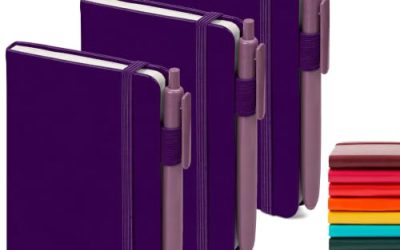
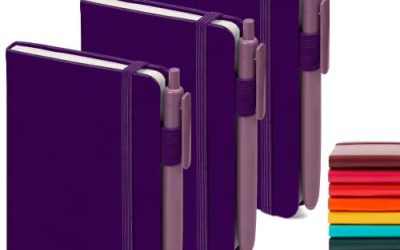
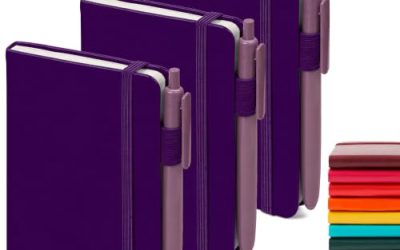
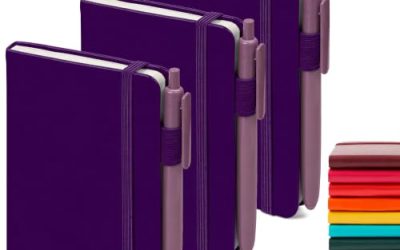
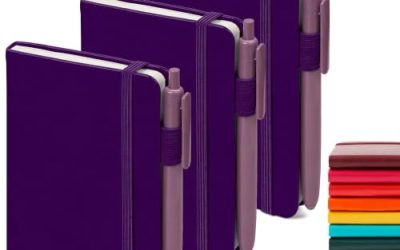
The sign log is the heart of this whole study, and a pocket notebook is what makes the log happen. This 3-pack gives you one book for the clearing log, one for the camp table, and one spare that can live at home base for the evening write-up, so the same notes flow from the dusk watch to the desk without loose sheets going missing along the way.
Use the clearing book for short, plain entries only: the time, the light, where each print or dropping sat, and which way the line of sign was heading. Keep it to logs and lists — times, counts, sketches, and reminders — and nothing more private than that; a camp notebook is shared gear, read by whoever is on watch, so it should never hold full passwords or anything of that kind. The pocket size matters more than it sounds. A book that rides in a jacket pocket is there when you spot a fresh print on the walk back to camp, and a book left behind in the tent simply never gets those entries. By the end of a week, the three books together hold the whole shape of the study.
Specs
- Pack size: 3-pack
- Format: Pocket notebooks
- Use: Logs and lists only, never full passwords
Himalayan Glow Salt Lamp

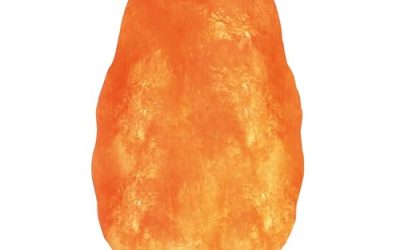
This lamp never leaves home base, and that is the whole point of it. The evening write-up is where a dusk watch turns into a record — prints measured from your sketches, times lined up across the week, a map of the clearing edge slowly filling in — and an hour of that kind of desk work goes better under a warm, steady glow than under a harsh ceiling light. The lamp gives a soft decorative warm glow, nothing more, and it should be framed exactly that way: no health or air claims belong anywhere near it, and it is not a grow light.
Because it runs on mains power, it belongs on the home-base desk and nowhere else. It is never a tent light and never a trail light, and the clearing at dusk should stay as dark and undisturbed as the animal expects it to be. Think of it as the closing bracket of each day of the study: the watch happens outside, in the fading light, with empty hands and a pocket notebook, and the thinking happens later, indoors, with the log open under the lamp and a pen doing slow, careful work.
Specs
- Light: Warm glow, decorative use only
- Power: Mains powered
- Placement: Home base desk only, never a tent or trail light
Lakanto Sugar Free Maple Syrup

A bottle of syrup sounds like an odd pick for a wildlife study, but it earns its place at the camp table, which is where the social half of this routine lives. The watch itself is food-free by design — everything stays sealed and back at camp — so the meal after the watch matters, and a sugar free maple flavored syrup is a simple way to make plain camp cooking feel like a small event at the end of the day.
Pour it over whatever the camp kitchen produces in the morning or after the dusk watch, and keep the bottle with the sealed food stores the rest of the time, opened only at the table like everything else in this guide. That discipline is what keeps the clearing edge clean and the sign on it readable: no sweet smells drifting from the watching spot, no sticky spills near the ground you are studying, nothing to draw the animal toward people or teach it to connect campers with food. Treat the syrup purely as a flavor for the table — no health claims, no bigger promises — and it fits the study well: the wild side of the evening stays wild, and the fed, warm, note-writing side stays back at camp where it belongs.
Specs
- Type: Syrup
- Flavor: Maple flavored
- Sweetener: Sugar free
Vantasii Canvas Zipper Pouches
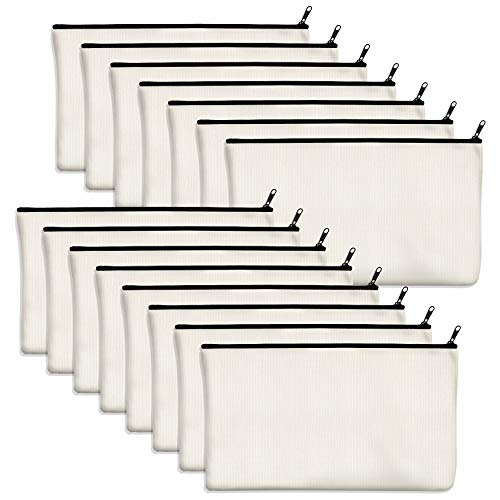
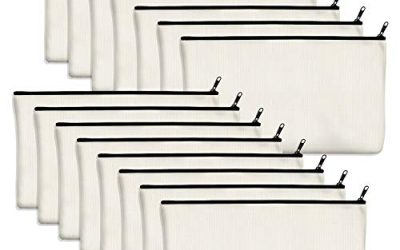
Fifteen pouches sounds like a lot until a study camp is running properly. Pens and a spare notebook in one, the clearing log books in another, small desk goods for the write-up in a third, and the rest spread across the food box and the tent, each one zipped shut and each one living in a fixed place. That fixed-place habit is what keeps a watch camp calm: nothing rattles loose near the clearing, nothing gets carried to the watching spot by mistake, and packing up in the dark never turns into a search.
The canvas build suits camp life well — soft enough to squeeze into a full bag, sturdy enough to be opened and closed a dozen times a day — and the zipper keeps dust and grit off the notebooks that hold the whole record of the trip. One honest limit belongs in plain view: these pouches are not waterproof, so anything that must stay dry through real rain still needs a proper dry bag or a sealed box inside the tent. Used as organizers rather than as weather protection, though, they are the quiet backbone of the routine, holding the small, easy-to-lose pieces of the study together from the first dusk watch to the final evening of notes at home base.
Specs
- Material: Canvas
- Closure: Zipper
- Pack size: 15-pack
- Water resistance: Not waterproof
FAQ
What sign should I look for at the clearing edge?
Look for small round paw prints in soft earth, droppings on logs or low rocks, and faint paths worn through the grass where the clearing meets the trees. Read it all from your seated spot, note the time and the light, and sketch the line of sign in the log rather than walking it.
What should I do if a kodkod actually appears?
Stay seated, stay quiet, and let it be. Never approach it, never follow it, never feed it, and never call or lure it. Watch for as long as it chooses to stay in view, then write the entry when it has gone, noting the time, the light, and which way it left the clearing.
When do the notes get written up properly?
The full write-up happens in the evening at home base, under the salt lamp on the desk. The clearing book holds short entries made on the spot, and the evening hour at home base is when those entries get lined up across the week, the sketches get measured, and the clearing map fills in.
How should food be handled during the study?
All food and treats stay sealed back at camp and are opened only at the camp table, well away from the clearing edge. Nothing edible goes to the watching spot, nothing gets left on the ground, and every wrapper and empty bag comes back to camp, so the clearing stays clean and the animal never links people with food.
Final verdict
A kodkod study asks almost nothing of the animal and quite a lot of the camper: patience at dusk, honest notes, sealed food, and a clearing left exactly as clean as it was found. This small kit supports each part of that bargain. The pocket notebooks carry the sign log from the clearing to the desk, the pouches keep the small goods of the routine in fixed places, the ice pop bags and the syrup keep camp-table treats sealed until everyone is seated, and the salt lamp closes each day at home base with a warm glow for the write-up. None of it goes near the animal, and that is precisely why it works. Settle into the routine for a full week, let the log build page by page, and the clearing will teach you how much life moves through it after dark — read in prints and droppings, never in disturbance.
Product and ASIN Reference
| Product | ASIN |
|---|---|
| Patelai Ice Pop Bags | B08QRBK9LJ |
| feela Pocket Notebooks | B0BG4MFCZC |
| Himalayan Glow Salt Lamp | B002LZUE76 |
| Lakanto Sugar Free Maple Syrup | B07PV3M9VD |
| Vantasii Canvas Zipper Pouches | B08CMQ6QG4 |
More from Amazon
Programs that pair well with the guide above. Offers and eligibility are set by Amazon and may change.
Free shipping on eligible items, Prime Video and more. Eligible new members can start with a free trial.
Start a Prime free trialA Prime membership for ages 18-24 with a trial period. Eligibility is set by Amazon.
See Prime for Young AdultsAudiobooks and podcasts to listen to on the go. Eligible new members can start with a free trial.
Try Audible freeAd-free music streaming. Eligible new subscribers can start with a free trial.
Try Music Unlimited freeAs an Amazon Associate we earn from qualifying purchases.
Write Your Review
No reviews yet. Be the first to share your experience!