

Key takeaways
- Plan a squirrel camp meadow study and trail note routine with pocket notebooks, canvas pouches and camp comforts for watching at the meadow edge.
A squirrel watch at camp asks for little more than a seat, some patience and a clear view of the meadow edge. From a camp chair you can follow squirrels as they work the ground below the low branches, digging small holes, carrying seeds and scolding one another from a safe limb. Nothing about the scene is hurried, and that is the point. A short note after each burst of movement turns a lazy hour into a small field record you can read back at home with pleasure. This guide gathers a simple kit for that routine: pocket notebooks for the notes themselves, canvas pouches to keep the small gear in order, frozen treats and a camp-table extra for the watchers, and a warm lamp for the write-up once you are home again.
The rules of the seat matter more than the gear. Stay seated, keep a respectful distance and let the squirrels choose how near they come. Never feed them, and never carry food to the watching seat; every snack and treat stays sealed back at camp, which is exactly what keeps the animals calm and at their natural distance. This is a notes-only study, done with eyes, ears and a pencil, and the animals are never approached or handled in any way. The five items below suit that approach: they are quiet, light to pack and easy to use without fuss, and each one earns its place in a small, orderly camp kit that comes out of the bag in the same arrangement every morning.
As an Amazon Associate, we earn from qualifying purchases.
How to choose
Choose for quiet first. A squirrel study falls apart the moment gear rustles, spills or demands attention, so every piece should work silently and stay where you put it. Pick the seat before you pick the kit: a chair at the edge of camp, with the meadow margin and a few low branches in view, and a place to rest the notebook on your knee. Notebooks should be small enough for a coat or shirt pocket, with covers firm enough to write against a leg. Pouches should zip fully closed so pencils and small tools stay grouped inside a pack rather than loose at the bottom. Anything edible belongs to the camp table only, sealed and stored with the camp food, well away from the watching seat. Finally, plan the home end of the routine as well: a steady, warm light over the desk makes the evening write-up pleasant, and a tidy log is far more likely to be kept up when the desk feels welcoming. Weight matters less here than order; the whole kit should pack into one corner of a bag, come out in moments and go away again just as quickly at dusk.
feela Pocket Notebooks

A three-pack of pocket notebooks is the heart of the study. One notebook can live in the jacket you wear at the seat, ready the moment a squirrel begins to dig or cache a seed. The pages suit short, plain entries: the time, the weather, where the animal fed, how long it stayed and what made it leave. A second notebook can hold lists — birds seen at the edge, plants in flower, jobs to do back at camp — while the third stays in reserve for the next trip. Because the books are small, they ride along without thought and come home with a record that a phone note rarely matches for charm. Keep the entries factual and brief; a line drawn at the time beats a paragraph written from memory later in the day. A pencil suits the seat better than a pen in cold weather, and the small pages forgive cramped writing done in gloves. One firm rule: these notebooks are for logs and lists only. Never write full passwords or other private details in them, since a pocket book can be lost on any trail.
Specs
- Format: Pocket notebooks
- Pack size: 3-pack
- Use: Logs and lists
Vantasii Canvas Zipper Pouches
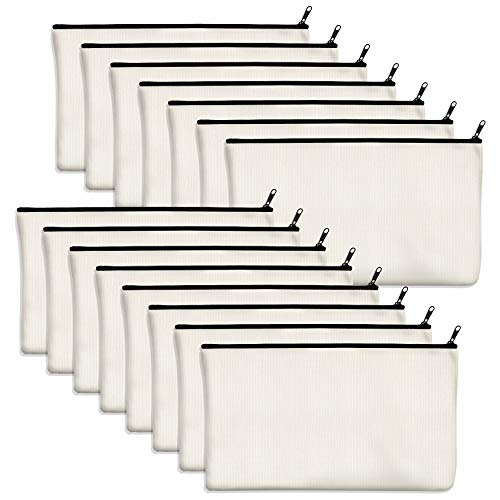
Fifteen canvas zipper pouches may sound like a lot for one camp kit, yet the number is the advantage. With that many, each small job gets its own pouch: pencils and a sharpener in one, a spare notebook in another, a cloth and lens tissue in a third, and the rest held back for the next trip or lent to a fellow watcher. The zip closure keeps small items grouped instead of scattered through a pack, and the canvas shell stands up to being pulled out and pushed back many times a day. Use the pouches for dry gear only. Canvas sheds a light splash at best, and these pouches are not waterproof, so anything that must stay dry on a wet walk belongs in a sealed bag inside the pouch. Food never goes in the watching pouches; treats stay sealed with the camp stores, away from the seat. Sorted this way, the kit opens in the same order every morning, and packing up at dusk takes a minute rather than a search through every pocket of the bag.
Specs
- Type: Canvas zipper pouches
- Pack size: 15-pack
- Closure: Zipper
- Water resistance: Not waterproof
Patelai Ice Pop Bags

Ice pop bags are the watchers’ treat, made ahead and enjoyed at the camp table when the notebooks close. Fill the bags with juice or a fruit blend at home, freeze them upright, and pack them in the camp cooler for the trip. At camp they stay sealed in that cooler with the rest of the food, well away from the watching seat, so no scent and no crumbs drift toward the squirrels. After a long, quiet sit, a frozen pop at the table marks the end of the session in a pleasant way, and the bags keep the treat in a tidy, single-serving form with no drips on the note pages. Because each pop is sealed until the moment it is opened, the camp stays clean and the animals keep their distance, which is exactly how a study seat should be run. The bags also suit a home freezer drawer between trips, taking little room until the next camp weekend comes around. Bring a small waste bag for the empties and leave the meadow as you found it.
Specs
- Type: Ice pop bags
- Use: Homemade frozen treats
Himalayan Glow Salt Lamp

The salt lamp belongs to the home end of the routine. After the trip, the field notebooks come out on the desk and the rough lines turn into a tidy log; the lamp gives that desk a warm, decorative glow that makes the job feel calm and unhurried. It is a mains-powered lamp, plugged in at home and left there — it is never a tent light and never a trail light, and it should not be packed for camp at all. Its role is simply light with a pleasant color while you write, sketch the meadow edge from memory or copy out the day’s squirrel notes into a lasting record. Treat it as decor: the glow is the whole of its job, and it makes no claims about the air in the room. It is also not a grow light, so keep it at the writing desk rather than near any plants. Paired with the notebooks, it turns the write-up into a small ritual that closes each trip neatly and leaves the log ready for the next outing.
Specs
- Type: Salt lamp
- Light: Decorative warm glow
- Power: Mains powered
- Placement: Home desk only
- Grow light: Not a grow light
Lakanto Sugar Free Maple Syrup

A bottle of sugar free maple flavored syrup earns its place at the camp table, where it can be drizzled over pancakes or stirred into a hot drink after the morning watch. The flavor is plainly maple, and that is the whole of its appeal; this guide makes no health claims for it and treats it simply as a pleasant camp extra. Like every other food item in this routine, the bottle stays sealed and stored with the camp food, far from the watching seat, so the squirrels have no reason to come near the chair. A tight cap matters on the road, since a sticky leak inside a food box is a nuisance to clean at camp. Pour at the table, wipe the neck, and seal the bottle again before it goes back into store. It also travels well, since the bottle can stand upright in the camp kitchen box beside the other sealed stores. Kept that way, one bottle lasts across many trips and many quiet mornings of notes.
Specs
- Type: Maple flavored syrup
- Sugar: Sugar free
- Flavor: Maple
FAQ
How close should I sit to the squirrels?
Sit at the edge of camp with a clear view of the meadow margin and stay there. Let the squirrels set the distance; if an animal changes its path because of you, you are too near. A seat chosen before the animals arrive works best, since movement draws attention. A modest pair of binoculars can help you follow action on the far side of the meadow without shifting from the chair.
Can I feed the squirrels so they come nearer?
No. Feeding changes wild behavior, brings animals into camp and spoils the very thing you came to watch. Keep every food item sealed with the camp stores, eat at the camp table only, and carry nothing edible to the watching seat. The squirrels will still work the meadow edge on their own rounds, and your notes will record natural behavior rather than begging.
What should I write in the notebook?
Keep it plain and brief: the time, the light, where each squirrel fed, what it carried, how long it stayed and what ended the visit. Lists belong there too — plants in flower, birds at the edge, jobs for camp. Draw a quick sketch when words fall short. Remember the standing rule for these pocket books: logs and lists only, never full passwords or private details.
When does the salt lamp get used?
At home, after the trip, while you turn the field notes into a tidy log. It is a mains-powered desk lamp with a decorative warm glow, so it stays plugged in at the writing desk. It never goes to camp, never lights a tent and is not a grow light for plants. Its job is a pleasant light for writing, nothing more.
Final verdict
For a quiet camp study, this small kit covers the whole routine. The feela notebooks do the real work, holding times, places and behavior in a record that lasts. The Vantasii pouches keep the small gear sorted and quick to find, with the plain limit that they are not waterproof. The Patelai bags and the Lakanto syrup look after the watchers at the camp table, sealed away from the seat so the squirrels stay wild and distant. The salt lamp closes the loop at home, giving the write-up a warm light. None of it is fancy, and that suits a study built on patience: sit down, stay quiet, write it down, and let the meadow do the rest.
Product and ASIN Reference
| Product | ASIN |
|---|---|
| feela Pocket Notebooks | B0BG4MFCZC |
| Vantasii Canvas Zipper Pouches | B08CMQ6QG4 |
| Patelai Ice Pop Bags | B08QRBK9LJ |
| Himalayan Glow Salt Lamp | B002LZUE76 |
| Lakanto Sugar Free Maple Syrup | B07PV3M9VD |
More from Amazon
Programs that pair well with the guide above. Offers and eligibility are set by Amazon and may change.
Free shipping on eligible items, Prime Video and more. Eligible new members can start with a free trial.
Start a Prime free trialA Prime membership for ages 18-24 with a trial period. Eligibility is set by Amazon.
See Prime for Young AdultsAudiobooks and podcasts to listen to on the go. Eligible new members can start with a free trial.
Try Audible freeAd-free music streaming. Eligible new subscribers can start with a free trial.
Try Music Unlimited freeAs an Amazon Associate we earn from qualifying purchases.








Write Your Review
No reviews yet. Be the first to share your experience!