
Key takeaways
- Learn what to wear hiking in 50°F weather: base, mid and outer layers, fabrics to choose, wind and rain tweaks, and accessories for comfort on the trail.
Fifty degrees Fahrenheit, about ten degrees Celsius, sits in an awkward middle zone for hiking. It feels cold when you step out of the car, yet a steady climb can leave you warm within twenty minutes, and a windy ridge or a long lunch stop can chill you again just as quickly. Dressing well at this temperature is less about one thick jacket and more about combining lighter pieces you can add, remove, and adjust as conditions change.
This guide explains a simple layering approach for cool, dry, windy, and damp days alike. You will learn how to choose a base layer, an insulating mid layer, and a protective outer layer, which fabrics help and which ones cause trouble, and how to handle legs, feet, hands, and head. No single outfit suits every trail, but the principles below help you build one that fits yours.
As an Amazon Associate we earn from qualifying purchases.
Why 50 Degrees Feels Different on the Trail
A thermometer reading only tells part of the story. Fifty degrees in still, sunny air on a sheltered forest path can feel mild once you are moving, while the same temperature on an exposed ridge with a steady breeze can feel sharply colder. Shade, elevation, humidity, and the time of day all shift how the air feels against your skin, and conditions at the summit are often cooler and windier than at the trailhead.
Your own effort matters just as much. Climbing generates a lot of body heat, so a hiker working hard uphill may be comfortable in a single long-sleeved top. Descending, walking flat ground, or stopping to eat generates far less heat, and sweat-damp clothing then cools you quickly. That swing between working and resting is the central problem at this temperature, and it is why experienced hikers dress in layers they can adjust rather than in one warm garment they have to endure.
Think of your clothing as a system for managing three things at once: warmth, moisture, and wind. Warmth keeps you comfortable when you slow down. Moisture management moves sweat away from your skin before it chills you. Wind protection stops moving air from stripping away the warmth your body has produced. A good outfit for fifty degrees handles all three, and it lets you rebalance them minute by minute with zips, cuffs, and quick changes at rest stops.
The Three Layers at a Glance
The base layer sits against your skin. Its job is not mainly warmth but moisture control: it should pull sweat away from your body and spread it out so it can dry, instead of holding it in a cold, clammy film. Fit matters here. A base layer that hugs the body without squeezing moves moisture more effectively than a loose shirt that leaves damp fabric hanging away from the skin in some places and bunched in others.
The mid layer provides most of your insulation. It traps still air close to your body, and that trapped air is what keeps you warm. Fleece and lightweight insulated jackets are the usual choices, and many hikers carry one of each on changeable days: fleece for active warmth on the move, and a puffier insulated piece for stops, summits, and camp. The mid layer should fit over the base layer without compressing it, and under a shell without feeling tight across the shoulders.
The outer layer, often called the shell, protects the other two from wind and rain. It adds little warmth on its own, but by blocking wind it preserves the warmth your mid layer creates. Some shells are simple wind shirts that breathe well and shed only light drizzle. Others are fully waterproof jackets with sealed seams for sustained rain. Choosing between them depends on the forecast, and many hikers in unsettled weather carry the waterproof option even if the morning starts clear.
How to Choose
Start With a Moisture-Managing Base Layer
Choose a base layer in merino wool or a synthetic fabric such as polyester or nylon, because both move sweat away from your skin and keep some insulating value when damp. Merino feels soft, resists odor on multi-day trips, and suits steady, moderate effort, while synthetics dry faster and often handle hard, sweaty climbs better. Match the weight to your pace: a lightweight top for brisk hiking, a midweight top for slower days. Avoid cotton next to your skin, since it absorbs moisture, dries slowly, and feels cold once you stop moving.
Pick a Mid Layer You Can Vent or Swap
Your mid layer does the warming, so pick one you can adjust without stopping for long. A fleece with a full or half zip lets you dump heat on climbs and close up again on descents, and grid-pattern fleece breathes especially well during hard effort. For slower hikes, photography stops, or exposed summits, add a lightweight insulated jacket with synthetic or down fill as a warmer second mid layer. Synthetic fill keeps working better when damp, while down packs smaller and suits reliably dry forecasts. Layering two thinner pieces usually beats one bulky piece because you can wear each combination as conditions shift.
Match the Outer Layer to Wind and Rain
Decide your shell by asking what the sky is most likely to do, not what it is doing at the trailhead. On a dry but breezy day, a breathable wind jacket is often enough, since it blocks the chill that cuts through fleece while still letting sweat escape. When rain is possible, choose a waterproof jacket with sealed seams, an adjustable hood, and pit zips or other vents you can open while climbing. Check that the shell fits over your mid layer without pulling at the shoulders, and that the hem and cuffs close well enough to keep gusts from pumping cold air inside.
Dress Your Legs, Feet, Hands, and Head Too
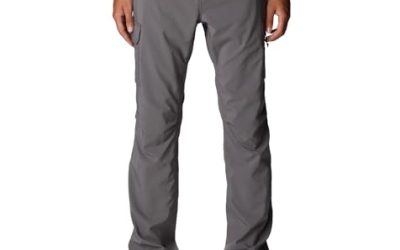
Comfort at fifty degrees often depends on the parts hikers dress last. For legs, softshell or hiking trousers in a synthetic fabric suit most days, with lightweight merino or synthetic leggings underneath for windy, shaded, or slower routes. Choose socks in merino or synthetic blends, and carry a spare pair if puddles or stream crossings are likely. A warm hat and light gloves make a disproportionate difference at rest stops, because you can add them in seconds. Sunglasses and a cap with a brim still help on bright days, and gaiters keep trail debris and splashes out of your footwear on muddy paths.
Lower Body and Footwear in Detail
Many hikers overdress their legs or ignore them completely, and both approaches can work against comfort. Legs generate plenty of heat while walking, so heavy insulated trousers are rarely needed at fifty degrees for an active day hike. A standard pair of hiking trousers, ideally with some stretch and a fabric that dries reasonably quickly, covers most conditions. If you run cold, hike slowly, or expect long stops, adding a thin base layer underneath is a simple fix that adds warmth without bulk.
Shorts are a personal call at this temperature. Some hikers who run warm are happy in shorts with a strong mid layer on top, especially on sunny, sheltered trails with hard climbing. Others find that cold legs tighten up and feel uncomfortable, particularly on descents and breaks. If you are unsure, trousers are the safer default, and you can always choose a convertible style or carry leggings to adjust.
Footwear choice depends more on terrain and wetness than on temperature alone. Trail shoes are fine on dry, well-kept paths, while boots give more support on rough, rocky, or muddy ground and keep more water out. Either way, pay attention to socks, because damp feet feel cold fast. A merino or synthetic sock of medium thickness suits most fifty-degree days, and a liner sock can help if you are prone to blisters. Make sure your footwear leaves a little room for thicker socks without pinching, since tight shoes restrict circulation and make feet feel colder.
Accessories That Earn Their Pack Space
Small items often decide whether a cool-weather hike stays pleasant. A lightweight hat that covers your ears is easy to carry and quick to add when you stop, and a neck gaiter or buff can cover your neck, chin, or head as the wind shifts. These pieces weigh very little, yet they close the gaps where warm air escapes and cold air sneaks in at the collar and ears.
Gloves deserve the same thinking. Thin liner gloves handle most active hiking at fifty degrees and let you use your fingers for zips, snacks, and a phone or camera. If your route involves long, exposed sections or you know your hands chill easily, pack a warmer or windproof pair as well and treat the liners as your moving pair. Keeping one pair dry in your pack also gives you a backup if the first pair gets wet handling damp gear or wet rock.
Trekking poles do not keep you warm directly, but they help you keep a steady rhythm on climbs, which keeps your heat production even, and they add stability on wet leaves, mud, and stream crossings where a slip could soak your clothing. Finally, pack a small dry bag or a sealed plastic bag for your spare layers and spare socks. Dry backup clothing is only useful if it is still dry when you reach for it.
Which One Fits Your Situation
Windy Ridges and Exposed Summits
Wind changes everything at fifty degrees, stripping warmth from fleece and chilling sweat-damp skin fast. Wear your windproof or waterproof shell over your mid layer for exposed sections, add a hat and gloves before you leave shelter rather than after you are cold, and close cuffs and hems. Plan shorter stops above the tree line, eat in a sheltered spot if you can, and put your insulated layer on the moment you pause.
Damp Trails and a Chance of Rain
When rain is possible, build your outfit around staying dry rather than staying warm. Wear a synthetic or merino base layer, keep fleece as your active mid layer because it tolerates dampness, and carry a waterproof jacket. Waterproof trousers are worth packing for steady rain or wet brush. Keep your warm insulated layer sealed in a dry bag and put it on only under the shell at stops, so it stays dry for when you need it most.
Hard Climbs and Fast-Paced Days
If you hike fast or your route climbs steeply, your biggest risk is overheating and soaking your layers with sweat. Start the day feeling slightly cool at the trailhead, wear a lighter base layer and a breathable fleece, and vent early: unzip, push up sleeves, and remove your hat before you are dripping. Keep the shell and insulated layer in your pack for descents and stops. Dressing this way feels chilly for the first few minutes, then comfortable for hours.
Slow Walks, Birding, and Photography Stops
Slow activities generate little body heat, so dress warmer than a fast hiker would at the same temperature. Choose a midweight base layer, a warmer mid layer, and bring the insulated jacket as a working layer rather than an emergency extra. Warm socks, gloves, and a hat matter more when you stand still. Routes with long, shaded valley sections or time near cold water also call for this warmer approach, even if the sunny parts feel mild.
A Simple Packing and Adjusting Routine
Before you leave, lay out your layers in the order you will use them and check each one fits over the last without pulling or bunching. Pack the pieces you will add at stops, such as your insulated jacket and spare socks, where you can reach them without emptying your pack. Put rain gear near the top as well, because a shell buried at the bottom tends to be put on too late, after the rain has already soaked your mid layer.
On the trail, adjust early and often. The most useful habit is changing layers before you need to: add the shell before the exposed ridge, remove the mid layer before the long climb, and add warmth before a break rather than midway through it once you are already shivering. Use zips, vents, cuffs, hats, and gloves as fine-tuning between full changes. These small adjustments keep your temperature steady, keep sweat from building up, and mean your spare layers stay dry and ready.
At the end of the day, note what worked. Did your hands get cold at stops? Did you carry a layer you never touched, or wish for one you left behind? Fifty-degree days return often in spring and autumn, and a short note after each hike turns guesswork into a personal system. Within a few outings, you will know your own preferences well enough to pack quickly and dress with confidence for almost any cool-weather trail.
Common Mistakes
- Wearing a cotton T-shirt or cotton hoodie as a base layer, which absorbs sweat, dries slowly, and feels cold and clammy as soon as you slow down or stop.
- Starting the hike dressed for standing still, then overheating on the first climb and soaking every layer with sweat that chills you later.
- Packing one thick jacket instead of separate layers, leaving no way to adjust when the sun comes out, the wind drops, or the trail turns downhill.
- Forgetting a hat, gloves, and spare socks, even though small accessories make a large difference at rest stops and are easy to carry.
- Leaving the rain shell at home because the morning looks clear, when mountain and forest weather can change quickly and wet insulation loses much of its value.
Frequently Asked Questions
Is 50 degrees too cold for shorts when hiking?
For most hikers, fifty degrees is cool enough that trousers are the more comfortable default, especially on shaded trails, descents, and days with breaks. Hikers who run warm and move fast sometimes prefer shorts on sunny, sheltered routes. If you are unsure, wear trousers or carry lightweight leggings you can add, and judge by wind and effort rather than the temperature alone.
What should I wear on top for a 50-degree hike?
A reliable combination is a merino or synthetic base layer, a fleece or lightweight insulated mid layer, and a windproof or waterproof shell you can add when needed. Adjust the thickness of each piece to your pace: lighter layers for fast, steep hiking, warmer layers for slow days with frequent stops. Avoid cotton, and keep the warmest layer dry in your pack until you pause.
How do I stop getting cold every time I take a break?
Add a layer before you stop, not after you feel cold. Put on your insulated jacket, hat, and gloves as soon as you pause, close zips and cuffs, and step out of the wind if you can. Eat and drink during the break, keep it shorter in exposed places, and remove the extra layer just before you start walking again so you do not overheat.
Do I need a waterproof jacket if rain is not forecast?
A shell of some kind is still worth carrying, because it blocks wind as well as rain and wind alone can make fifty degrees feel much colder. On a reliably dry day, a light, breathable wind jacket may be enough and will feel more comfortable while you climb. If the forecast is unsettled or your route is remote and exposed, the waterproof jacket is the safer choice.
More from Amazon
Programs that pair well with the guide above. Offers and eligibility are set by Amazon and may change.
Free shipping on eligible items, Prime Video and more. Eligible new members can start with a free trial.
Start a Prime free trialA Prime membership for ages 18-24 with a trial period. Eligibility is set by Amazon.
See Prime for Young AdultsAudiobooks and podcasts to listen to on the go. Eligible new members can start with a free trial.
Try Audible freeAd-free music streaming. Eligible new subscribers can start with a free trial.
Try Music Unlimited freeAs an Amazon Associate we earn from qualifying purchases.



Write Your Review
No reviews yet. Be the first to share your experience!