

Key takeaways
- 1 box San Giorgio traditional lasagna noodles, approximately 12 ounces; use 12 noodles
- 1 tablespoon olive oil
- 1 medium yellow onion, finely diced
- 3 garlic cloves, minced
- 1 pound ground beef
- 1 can crushed tomatoes, 28 ounces
- 2 cans tomato sauce, 15 ounces each
- 2 tablespoons tomato paste
- 1 teaspoon dried Italian seasoning
- 1 teaspoon kosher salt, plus more for the pasta water
- ½ teaspoon black pepper
- 30 ounces whole-milk ricotta
- 1 large egg
- ½ teaspoon salt for the ricotta mixture
- ¼ teaspoon black pepper
- 3 cups shredded low-moisture mozzarella
- 1 cup finely grated Parmesan
- 2 tablespoons chopped fresh parsley, optional
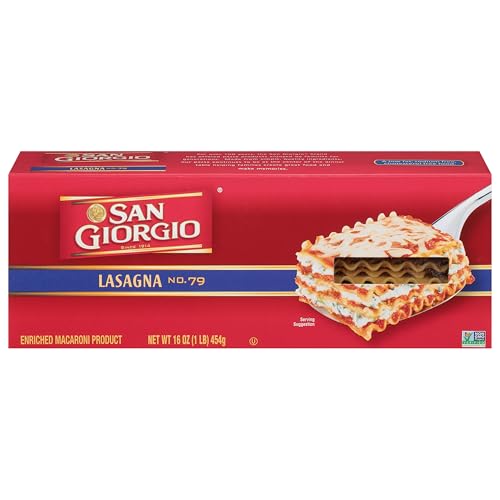
The most reliable san giorgio lasagna recipe uses traditional San Giorgio lasagna noodles, a 9-by-13-inch pan, 6 cups of thick meat sauce, and four structured layers of pasta, sauce, ricotta, mozzarella, and Parmesan. Boil the noodles until just flexible, bake the assembled lasagna covered at 375°F for 30 minutes and uncovered for 15 minutes, then rest it for 20 minutes before slicing.
This recipe makes 12 servings with clean, stable layers rather than watery portions. It is also practical for a campsite kitchen: prepare the sauce ahead, transport the components cold, and bake the assembled dish in a covered oven-safe pan or Dutch oven.
Our top picks

As an Amazon Associate we earn from qualifying purchases at no extra cost to you. Ratings are shown as listed on Amazon.
San Giorgio Lasagna Recipe at a Glance
| Item | Recommended amount | Why it matters |
|---|---|---|
| San Giorgio lasagna noodles | 12 sheets, about 12 oz | Three noodles per layer in a 9-by-13-inch pan |
| Ground beef | 1 lb | Provides a substantial but not overly dense filling |
| Tomato sauce | 6 cups total | Enough moisture to cook and bind the layers |
| Ricotta | 30 oz | Creates three creamy cheese layers |
| Shredded mozzarella | 3 cups, about 12 oz | Melts over the top and between the layers |
| Grated Parmesan | 1 cup | Adds salt, savory flavor, and browning |
| Pan | 9 by 13 inches, at least 2 inches deep | Fits four pasta layers without overflow |
| Yield | 12 portions | Each portion is approximately 3 by 3 inches |
Ingredients
- 1 box San Giorgio traditional lasagna noodles, approximately 12 ounces; use 12 noodles
- 1 tablespoon olive oil
- 1 medium yellow onion, finely diced
- 3 garlic cloves, minced
- 1 pound ground beef
- 1 can crushed tomatoes, 28 ounces
- 2 cans tomato sauce, 15 ounces each
- 2 tablespoons tomato paste
- 1 teaspoon dried Italian seasoning
- 1 teaspoon kosher salt, plus more for the pasta water
- ½ teaspoon black pepper
- 30 ounces whole-milk ricotta
- 1 large egg
- ½ teaspoon salt for the ricotta mixture
- ¼ teaspoon black pepper
- 3 cups shredded low-moisture mozzarella
- 1 cup finely grated Parmesan
- 2 tablespoons chopped fresh parsley, optional
Before You Start: Noodle and Pan Choices
This recipe is written for traditional, boil-before-baking San Giorgio lasagna noodles. San Giorgio sells pasta products in different formats, so read the cooking instruction on the box you have; package directions are the controlling source for the exact noodle variation. Do not substitute oven-ready sheets without changing the liquid and assembly method, because oven-ready pasta absorbs more sauce and behaves differently.
A metal 9-by-13-inch pan heats quickly and is convenient for a camp oven. A ceramic or glass pan also works, but allow it to warm gradually and avoid placing a cold glass dish directly onto a hot grate. The pan should be at least 2 inches deep. A shallower pan is more likely to overflow as the sauce bubbles.
How to Make San Giorgio Lasagna
1. Make a thick meat sauce
Heat the olive oil in a large saucepan or Dutch oven over medium heat. Cook the onion for 4 to 5 minutes, until softened. Add the garlic and cook for 30 seconds. Add the ground beef and cook for 6 to 8 minutes, breaking it into small pieces, until no pink remains.
Stir in the crushed tomatoes, tomato sauce, tomato paste, Italian seasoning, salt, and pepper. Simmer uncovered for 25 to 30 minutes, stirring every few minutes. The finished sauce should coat a spoon and leave a trail that closes slowly; thin, watery sauce is the most common cause of loose lasagna.
Measure out 6 cups of sauce for the lasagna. If your sauce has reduced below that amount, add a small quantity of water or stock. If it is still runny, simmer it longer. Let the sauce cool for 10 minutes before assembly so it does not make the ricotta mixture excessively loose.
2. Boil and cool the San Giorgio noodles
Bring at least 4 quarts of water to a full boil in a large pot. Add approximately 1 tablespoon of salt, then cook the noodles according to the package directions, removing them when they are flexible and just shy of fully tender. For many traditional lasagna noodles, this is approximately 8 to 10 minutes, but the package timing should take priority.
Drain the noodles and lay them in a single layer on lightly oiled baking sheets or parchment. Do not stack hot noodles, because they will stick together and tear. Twelve intact noodles are needed: three for each pasta layer.
3. Mix the ricotta filling
In a bowl, combine the ricotta, egg, ½ teaspoon salt, and ¼ teaspoon black pepper. Stir until smooth. The egg helps the ricotta set into a sliceable layer, while whole-milk ricotta supplies enough richness without needing cream or additional liquid.
If the ricotta looks unusually wet, drain it in a fine-mesh strainer for 10 to 15 minutes. Do not add extra milk. A loose filling can spread into the sauce and make the finished portions difficult to cut.
4. Assemble the layers in the correct order
Heat the oven to 375°F. Spread 1 cup of meat sauce over the bottom of the 9-by-13-inch pan. This thin base prevents the noodles from sticking and gives the bottom sheet moisture as it bakes.
- Bottom: 1 cup meat sauce.
- First pasta layer: 3 noodles, arranged side by side.
- First filling layer: 1½ cups ricotta mixture, ¾ cup mozzarella, ¾ cup meat sauce, and ¼ cup Parmesan.
- Second pasta layer: 3 noodles.
- Second filling layer: 1½ cups ricotta mixture, ¾ cup mozzarella, ¾ cup meat sauce, and ¼ cup Parmesan.
- Third pasta layer: 3 noodles.
- Third filling layer: the remaining ricotta mixture, ¾ cup mozzarella, ¾ cup meat sauce, and ¼ cup Parmesan.
- Top pasta layer: the final 3 noodles.
- Top finish: the remaining 2¼ cups meat sauce, the remaining ¾ cup mozzarella, and the remaining ¼ cup Parmesan.
Spread every sauce layer to the edges, especially over the corners of the top noodles. Exposed pasta can become hard and brittle. Avoid pressing down firmly between layers; gentle spreading keeps the noodles level and leaves room for the sauce to circulate.
5. Bake covered, then brown uncovered
Cover the pan tightly with aluminum foil, keeping the foil from touching the cheese if possible. Bake at 375°F for 30 minutes. The cover traps steam, heats the center, and prevents the top noodles from drying before the filling is hot.
Remove the foil and bake for another 15 minutes, until the edges are bubbling and the mozzarella is melted with light brown spots. If using a camp oven or covered Dutch oven, maintain an approximate 375°F internal cooking temperature and rotate the pan halfway through the covered phase if heat is uneven. Use a separate oven thermometer where possible rather than relying only on charcoal counts.
6. Rest before cutting
Transfer the lasagna to a heatproof surface and leave it uncovered for 20 minutes. Resting allows the sauce to thicken, the ricotta to set, and the noodles to grip the filling. Cutting immediately can produce a delicious meal but usually results in sliding layers and sauce pooling on the plate.
Cut the pan into 12 portions, using three cuts along the short direction and three along the long direction. A thin, sharp knife works better than a large serving spoon for the first cut. Serve each piece with a flat spatula.
Worked Quantities for Consistent Layers
The pan has 12 by 9 inches of surface area, or 108 square inches. Dividing it into 12 portions gives approximately 9 square inches per serving, which corresponds to pieces close to 3 by 3 inches. Using three noodles across the width leaves small gaps between sheets; those gaps fill with sauce and help the layers hold together.
The recipe uses about ½ cup of sauce in each of the three interior filling layers, plus the bottom and top sauce layers. The exact distribution is more important than forcing every layer to contain an identical volume: the bottom and top need enough sauce to protect the pasta, while the interior layers need only a thin coating around the cheese.
Camping, Make-Ahead, and Storage Notes
For camping, cook the sauce and boil the noodles at home. Cool both components promptly, assemble the lasagna in a covered metal pan, and keep it in an insulated cooler at 40°F or below until cooking. Keep raw meat separate from ready-to-eat ingredients during preparation and transport.
A fully assembled lasagna can be refrigerated for up to 24 hours before baking. Add about 10 to 15 minutes to the covered baking time if it goes directly from the refrigerator into the oven, and use a pan that can safely tolerate the temperature change. Never put a cold glass or ceramic pan straight onto a hot camp grate.
Leftovers should be divided into shallow containers and refrigerated within 2 hours, or within 1 hour if the surrounding temperature is above 90°F. Reheat individual portions until steaming hot throughout. The lasagna can also be frozen in sealed portions for up to 2 to 3 months; thaw overnight in the refrigerator for the most even reheating.
Common Mistakes and Fixes
- Watery slices: Reduce the sauce longer, drain wet ricotta, and rest the baked lasagna for the full 20 minutes.
- Hard top noodles: Cover all exposed pasta with sauce and keep the pan covered for the first 30 minutes.
- Rubbery cheese: Use low-moisture mozzarella for a controlled melt and avoid baking far beyond the point when the edges bubble.
- Layers sliding apart: Use less sauce inside each layer, cool the dish longer, and cut with a sharp knife rather than scooping.
- Sticking noodles: Lay boiled noodles separately on an oiled sheet instead of leaving them in a colander or stacking them.
- Burnt camp-oven bottom: Raise the pan slightly from the hottest surface, use indirect heat, and rotate it halfway through baking.
Frequently Asked Questions
Can I use San Giorgio oven-ready noodles in this recipe?
Only if the box identifies them as oven-ready or no-boil noodles. They require more surrounding moisture and may need a different quantity of sauce, so follow the package instructions rather than using the boiled-noodle quantities above.
How many San Giorgio lasagna noodles do I need?
Use 12 noodles for a 9-by-13-inch pan: three noodles in each of four pasta layers. Keep two extra noodles available if a sheet breaks during boiling or if your pan is slightly wider than the recommended size.
Why does my lasagna fall apart when I cut it?
The usual causes are excess sauce, wet ricotta, insufficient baking, or cutting before the dish rests. Use thick sauce, drain visibly wet ricotta, bake until the center is hot and the edges bubble, and wait at least 20 minutes before slicing.
Can I make this lasagna without meat?
Yes. Replace the ground beef with 1 pound of sautéed mushrooms, spinach, zucchini, or a combination of vegetables. Cook the vegetables until their released water has evaporated, then use the same 6-cup total sauce target so the finished lasagna does not become watery.
What is the best pan for baking lasagna outdoors?
A sturdy metal 9-by-13-inch pan is usually the most practical choice because it is lighter, heats quickly, and is less vulnerable to thermal shock than cold glass. For a Dutch oven, choose one large enough to leave a little clearance around the assembled dish and use indirect heat for better control.
Can I assemble the lasagna the night before?
Yes. Cover it tightly and refrigerate it for up to 24 hours. Bake it cold with an additional 10 to 15 minutes under foil, and confirm the center is fully hot before removing the cover to brown the cheese.



Write Your Review
No reviews yet. Be the first to share your experience!