

Key takeaways
- Gluten: Most barley-based beers contain gluten. A “non-alcoholic” label does not mean gluten-free.
- Wheat and other allergens: Wheat beers may contain wheat alongside barley. Check allergen labeling.
- Sulfites: Some beers contain sulfites or other compounds that may matter to sensitive individuals.
- FODMAPs and digestion: Fermentable carbohydrates and carbonation can cause bloating or discomfort for some people.
- Sweeteners: Added sugar is not universal, but flavored or malt-forward products may contain more than expected.
- Caffeine: Traditional beer is usually caffeine-free, though specialty products should be checked rather than assumed.
Is non alcoholic beer actually healthy? It can be a healthier choice than regular beer in specific situations because it usually contains far less alcohol, fewer calories, and less carbohydrate, but it is not automatically a health drink. The best choice is a genuinely alcohol-free or very low-alcohol beer with little added sugar, a short ingredient list, and roughly 20–30 calories per 100 ml; water should still be your main camping and outdoor beverage.
Non-alcoholic beer is best understood as a beer-like drink with a reduced alcohol content, not as a nutritional supplement. Its value depends on what it replaces: swapping it for a 5% beer can meaningfully reduce alcohol and calories, while swapping it for water adds flavor and calories without improving hydration.
Our top picks


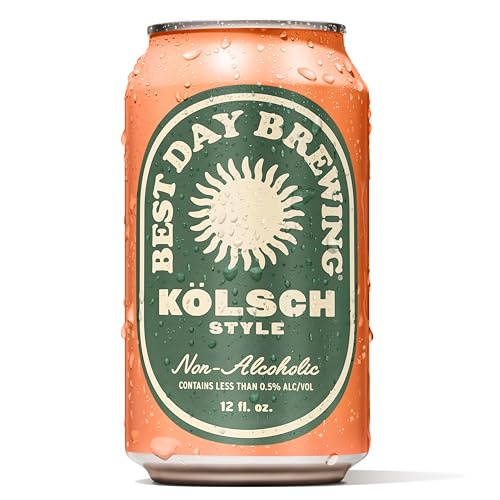

As an Amazon Associate we earn from qualifying purchases at no extra cost to you. Ratings are shown as listed on Amazon.
Quick comparison: what is in the can?
| Drink type | Typical alcohol | Typical calories | Typical sugar | Best use |
|---|---|---|---|---|
| Water | 0.0% | 0 per 330 ml | 0 g | Main hydration on hikes and at camp |
| Alcohol-free beer | 0.0% or trace amounts, depending on labeling rules | 50–100 per 330 ml | 1–8 g per 330 ml | Beer flavor without meaningful alcohol |
| Non-alcoholic beer | Usually below 0.5% ABV | 60–130 per 330 ml | 2–12 g per 330 ml | Lower-alcohol social occasions |
| Regular lager, about 5% ABV | About 5% | 130–180 per 330 ml | 0–5 g per 330 ml | Traditional beer, with alcohol-related trade-offs |
| Sports drink | 0.0% | 50–90 per 500 ml | 10–20 g per 500 ml | Long, sweaty exercise requiring carbohydrate and sodium |
These are practical market ranges rather than guarantees. Recipes vary widely, so read the nutrition panel on the specific can. A 330 ml serving is used for easy comparison; many cans and bottles are 440–500 ml.
Alcohol content: the biggest health difference
The main advantage of non-alcoholic beer is the reduction in ethanol. Regular beer can impair judgment, coordination, sleep, and driving ability, while alcohol-free beer avoids or greatly reduces those effects. It may therefore be a useful substitute when you are driving from a campsite, supervising children, preparing food around a campfire, or choosing not to drink.
Labels need careful reading. In many markets, “non-alcoholic” can include beer containing less than 0.5% alcohol by volume, while “alcohol-free” generally indicates 0.0% or a very small residual amount. The legal definitions differ by country, and “0.0%” labeling may still reflect analytical trace limits rather than an absolute absence of every alcohol molecule.
A 0.5% drink contains much less alcohol than regular beer, but it is not identical to zero alcohol. For most adults, the amount in one serving is small. However, someone avoiding alcohol for recovery, religious, personal, medication-related, or medical reasons may prefer a verified 0.0% product—or avoid beer-style drinks altogether.
Calories and sugar: usually lower, not necessarily low
Beer loses some calories when alcohol is removed because alcohol supplies about 7 calories per gram. That is why a 330 ml non-alcoholic beer commonly contains around 50–130 calories, compared with roughly 130–180 calories for a typical regular lager. The difference can be substantial if you drink several servings.
Removing alcohol does not remove all carbohydrate. Malted grains provide fermentable sugars and dextrins, and some producers add sweeteners or flavoring to improve body after alcohol removal. Check both “total carbohydrate” and “of which sugars,” because a beer may contain moderate carbohydrate without tasting sweet.
For example, replacing three 330 ml regular beers at 160 calories each with three alcohol-free beers at 75 calories each changes the evening total from about 480 calories to 225 calories—a saving of approximately 255 calories. It does not turn the drinks into a free food, and the calculation changes completely for a higher-calorie brand or a 500 ml can.
People managing diabetes, carbohydrate intake, or weight should use the actual package figures rather than relying on the words “alcohol-free” or “light.” A product can be alcohol-free and still contribute meaningful carbohydrate.
Does non-alcoholic beer hydrate you?
It contributes fluid, but it should not replace water as your default hydration drink. Alcohol itself can increase urine production in some circumstances, so removing most of it eliminates an important drawback of regular beer. Non-alcoholic beer is therefore a more sensible drink than regular beer after a casual outdoor activity, especially when you also drink water.
It is not automatically an ideal rehydration solution after strenuous hiking, hot-weather work, vomiting, or heavy sweating. Many varieties contain little sodium, and their carbohydrate and electrolyte balance may not match a sports drink or oral rehydration product. Carbonation can also make some people feel bloated and may discourage them from drinking enough.
For a normal camping day, a practical pattern is to carry water first, use an electrolyte drink when conditions and sweat loss justify it, and treat non-alcoholic beer as an optional meal or social beverage. After exercise, water plus a meal containing carbohydrate and protein is usually more useful than relying on beer for recovery.
Nutrients and ingredients: modest benefits, important caveats
Non-alcoholic beer may contain small amounts of B vitamins, minerals, polyphenols, and plant compounds from malt and hops. Some products also provide a little potassium or magnesium. These amounts are generally modest and should not be treated as a replacement for fruit, vegetables, legumes, whole grains, or a balanced meal.
The ingredient list commonly includes water, malted barley, hops, yeast, and carbon dioxide. Other products may contain concentrated wort, natural flavors, sweeteners, acidity regulators, or preservatives. A shorter list is not automatically healthier, but it makes the product easier to assess if you have allergies or dietary restrictions.
- Gluten: Most barley-based beers contain gluten. A “non-alcoholic” label does not mean gluten-free.
- Wheat and other allergens: Wheat beers may contain wheat alongside barley. Check allergen labeling.
- Sulfites: Some beers contain sulfites or other compounds that may matter to sensitive individuals.
- FODMAPs and digestion: Fermentable carbohydrates and carbonation can cause bloating or discomfort for some people.
- Sweeteners: Added sugar is not universal, but flavored or malt-forward products may contain more than expected.
- Caffeine: Traditional beer is usually caffeine-free, though specialty products should be checked rather than assumed.
When non-alcoholic beer may be a good choice
It can be a reasonable choice when you want the taste, ritual, and social experience of beer without the impairment of regular alcohol. It is particularly practical for:
- Drivers who want a beer-style drink with dinner or around camp.
- Campers avoiding alcohol while still participating in a group toast.
- People comparing a lower-calorie option with regular beer.
- Evenings when alcohol would interfere with sleep, early starts, or outdoor safety.
- Anyone reducing alcohol intake gradually, provided the flavor and ritual are helpful rather than triggering.
The safety advantage applies only if it changes your overall drinking pattern. If a low-alcohol product leads you to consume many more cans, the calories, carbohydrate, cost, and habit may offset some of the intended benefit.
When it may not be suitable
Alcohol-free or non-alcoholic beer is not appropriate for every person or situation. Anyone who must avoid even trace alcohol should inspect the label, contact the manufacturer when necessary, and consider a non-beer alternative such as sparkling water or malt-free flavored water.
Pregnancy is one situation where professional guidance matters. Because labeling conventions and individual circumstances differ, a pregnant person should ask a doctor or midwife whether a particular product is appropriate rather than assuming that “non-alcoholic” means risk-free.
People taking medicines that interact with alcohol, those with liver or pancreatic disease, and people in alcohol recovery should discuss the choice with a healthcare professional. For some people in recovery, the taste, smell, packaging, or social ritual can increase cravings even when the alcohol content is negligible.
It may also be a poor outdoor choice when pack weight and hydration efficiency matter. A 500 ml can weighs roughly 500 grams before accounting for the container, while water provides simpler hydration and usually costs less per liter. Glass bottles add breakage and carrying concerns, so cans are generally more practical for campsites that allow them.
How to choose a healthier can
- Start with alcohol content. Choose 0.0% if you need the lowest possible alcohol exposure; otherwise compare the exact ABV rather than trusting the front label.
- Check serving size. Convert the label to the amount you will actually drink. A 500 ml can contains 1.52 times as much as a 330 ml can, so its calories and carbohydrate are also about 1.52 times higher when the recipe is the same.
- Compare calories and carbohydrate. For a lighter everyday option, look for about 20–30 calories per 100 ml and relatively low sugar. Treat these as comparison targets, not universal medical limits.
- Read the allergen statement. Select a certified gluten-free product if medically necessary; ordinary alcohol-free beer is not a safe assumption for people with coeliac disease or wheat allergy.
- Consider the occasion. Use water for hydration, an appropriate electrolyte drink for prolonged sweating, and non-alcoholic beer for flavor and social enjoyment.
- Test your tolerance before a trip. Carbonation, hops, acidity, or fermentable ingredients can cause stomach discomfort. Discovering that at home is preferable to discovering it halfway through a hike.
| Situation | Most practical choice | What to check | Main trade-off |
|---|---|---|---|
| Driving after camp dinner | 0.0% beer or sparkling water | Exact alcohol statement | 0.0% beer still has calories and may resemble alcohol socially |
| Hot-weather day hike | Water, with electrolytes if appropriate | Fluid volume and sodium needs | Beer-style drinks are less efficient for hydration |
| Reducing regular beer | Low-calorie alcohol-free beer | Calories per 100 ml and serving size | May preserve drinking cues or cravings |
| Gluten-free requirement | Certified gluten-free alternative | Certification and allergen controls | Fewer products and sometimes a different flavor |
| Strict alcohol avoidance | Alcohol-free alternative or water | Trace-alcohol policy and manufacturer data | Beer-like flavor may not be worth the uncertainty |
The bottom line for campers
Non-alcoholic beer is often the healthier beer choice, especially when it replaces regular beer and the product is low in calories, sugar, and alcohol. It is not healthier than water for hydration, nor does its small amount of vitamins or minerals justify drinking it as a wellness product.
For most outdoor buyers, the sensible formula is simple: choose 0.0% when avoiding alcohol matters, select a can with transparent nutrition information, carry water for actual hydration, and account for gluten, carbonation, medical conditions, and personal recovery goals. If you are unsure whether trace alcohol or a specific ingredient is suitable, ask a qualified healthcare professional.
Frequently Asked Questions
Is non-alcoholic beer healthier than regular beer?
Usually, yes, when comparing similar serving sizes, because it contains far less alcohol and often fewer calories. It can still contain carbohydrate, sugar, gluten, and a meaningful number of calories. The health difference depends on the exact product and what it replaces.
Can non-alcoholic beer get you drunk?
A beer labeled below 0.5% ABV contains very little alcohol, so it is unlikely to cause intoxication when consumed normally. However, it is not the same as a confirmed 0.0% product, and individual policies or medical circumstances may require complete avoidance. Choose a clearly labeled 0.0% drink if that distinction matters.
Is non-alcoholic beer good for hydration after a hike?
It supplies fluid, but water is usually the better primary choice. Non-alcoholic beer may lack enough sodium and carbohydrate for replacing losses after prolonged, sweaty exercise. Use an appropriate electrolyte product when needed and enjoy the beer as an optional beverage rather than your rehydration plan.
Does non-alcoholic beer contain sugar?
Some does and some does not, depending on the recipe and brewing process. Malt-derived carbohydrate can remain even when the beer tastes dry, and flavored versions may contain added sweeteners. Check the nutrition panel for sugar and total carbohydrate per 100 ml and per container.
Is non-alcoholic beer safe during pregnancy?
Do not assume that “non-alcoholic” means absolutely alcohol-free, because labeling definitions vary and some products may contain trace alcohol. A pregnant person should discuss the specific product with a doctor or midwife. A naturally alcohol-free alternative avoids that particular uncertainty.
Is non-alcoholic beer gluten-free?
Usually not. Most non-alcoholic beers are made from barley or wheat and contain gluten just like conventional beer. Anyone with coeliac disease, wheat allergy, or another medically necessary restriction should look for appropriate certification and follow professional dietary advice.



Write Your Review
No reviews yet. Be the first to share your experience!