

Key takeaways
- Assuming a dry sack is bear-resistant. Standard stuff sacks protect from rain, not claws.
- Skipping the tie-off. A soft bag left loose can be carried off, and the food inside is still lost.
- Forgetting scented items. Toothpaste, sunscreen and lip balm attract animals just like food.
- Overfilling. A bag packed to the brim may not close or seal correctly.
- Ignoring regulations. Rules change by park and season, so confirm before you go.
The best hiking food bag for most backpackers is a bear-resistant soft bag like the Ursack Major paired with an odor-proof liner such as the Loksak OPSAK, while hikers who only need dry storage and organization can use a simple dry sack. A food bag does two jobs, keeping food dry and keeping animals out, and no single product does both equally well. Pick based on where you hike, because some areas require hard-sided canisters and prohibit soft bags entirely.
Our top picks
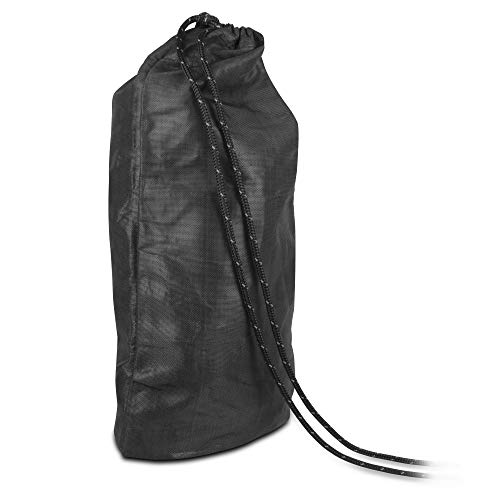

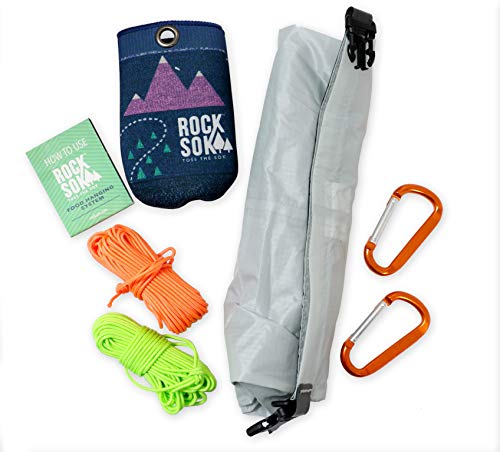

As an Amazon Associate we earn from qualifying purchases at no extra cost to you.
Quick Comparison of Hiking Food Bags
| Pick | Best for | Key specs | Price range |
|---|---|---|---|
| Ursack Major | Bear country, thru-hiking | About 7.6 oz, roughly 10.65 L (about 5 days of food), IGBC-approved | Mid to upper-mid |
| Adotec Bear Locker 14L | Ultralight bear protection | About 7 oz, 14 L, Dyneema Composite Fabric, IGBC grizzly-certified | Premium |
| Loksak OPSAK | Odor barrier liner | About 0.8 oz, resealable | Budget |
| Zpacks Nylopro odor barrier bag | Lightest odor liner | Lighter than OPSAK, liner use | Budget |
| Sea to Summit Ultra-SIL Dry Sack 20L | Dry storage and hanging | About 3.2 oz, not bear-resistant or odor-proof | Budget |
| Hard bear canister (BearVault class) | Parks that require canisters | Rigid, heavier, required in some areas | Mid to upper-mid |
Best Overall: Ursack Major
Bike Hike Safari and other 2026 roundups pick the Ursack Major as the top soft bear bag for most thru-hikers. It weighs about 7.6 ounces, holds roughly five days of food for one person, and is approved by the Interagency Grizzly Bear Committee (IGBC). It resists claws and teeth but, as CleverHiker cautions, it cannot stop a bear from crushing the food inside. It also is not odor-proof on its own, so pair it with a liner. Rodents can chew into it, the fabric absorbs rain, and in areas that require hard canisters it is not allowed.
Best Ultralight: Adotec Bear Locker 14L
Made from Dyneema Composite Fabric and weighing around 7 ounces, this bag is described as the best ultralight bear-resistant option. It is IGBC grizzly-certified and offers more volume than the Ursack Major at similar weight. The trade-off is cost, and fewer retailers carry it.
Best Odor Barrier: Loksak OPSAK
An OPSAK weighs about 0.8 ounces and forms a thin, resealable barrier that reduces smell. It is the standard liner inside an Ursack or other soft bear bag, and it also seals crumbly food from moisture. It is not tear-proof, so inspect it before every trip and replace it when seals fail. The Zpacks Nylopro odor barrier bags are lighter still and work in the same role.
Best for Dry Storage: Sea to Summit Ultra-SIL Dry Sack
The 20 liter version weighs about 3.2 ounces. It keeps food dry and organized, and it is a fine hanging bag in places where hanging is legal and effective, but it offers no real protection against bears or odor. Treat it as an organizer, not a bear defense.
Best When Rules Require It: Hard Bear Canister
Hard canisters are mandatory in several areas, including parts of Yosemite, Sequoia and Kings Canyon, Yellowstone and Glacier, according to CleverHiker. They weigh more and take up pack space, but they also protect food from crushing and rodents. Check the land manager’s current rules before every trip.
How to Size a Food Bag: A Worked Example
Backpackers typically carry about 1.5 to 2 pounds of food per day. Dehydrated and snack foods pack to roughly 20 to 25 ounces per liter of volume depending on how compact the food is. For a four-day trip at 1.75 pounds per day you carry 7 pounds, about 112 ounces. At a loose packing density, that fills a 10 to 12 liter bag. Add a day or two and you may need 14 liters or more.
| Trip length | Food carried (about 1.75 lb/day) | Suggested bag volume |
|---|---|---|
| 2 days | 3.5 lb | 5 to 7 L |
| 4 days | 7 lb | 10 to 12 L |
| 6 days | 10.5 lb | 14 to 16 L |
| 8 days | 14 lb | Two bags or a larger canister |
These are planning estimates based on typical food density; actual volume depends on the food you pack.
How to Use a Food Bag Properly
- Seal food in odor-barrier bags first. Smells attract animals, so reduce them before the outer bag.
- Pack the bag loosely at the top. The closure needs room to roll or tie correctly.
- Tie it to a tree. A soft bag should be tied to a tree trunk, not left loose, so a bear cannot carry it away.
- Keep it at least 100 feet from the tent. This follows common backcountry guidance, which also applies to your cooking area.
- Include toothpaste, trash and scented items. Animals respond to any strong smell.
Which Food Storage Setup Fits Which Hiker
| Your situation | Best setup | Reason |
|---|---|---|
| Thru-hiker in black bear country | Ursack Major with an OPSAK liner | Light, IGBC-approved, widely accepted |
| Ultralight hiker, grizzly area allowed | Adotec Bear Locker with an odor liner | Dyneema, grizzly-certified |
| Required-canister park | Hard canister | Mandatory, protects from crushing |
| Low-risk area, rodents only | Dry sack plus odor bag | Cheap and light |
| Weekend trip, little food | Small dry sack and a hang | Where hanging is legal and effective |
What Wears Out and What Goes Wrong
Soft bear bags fail slowly. The cinch cord and closure knot wear first, and the fabric absorbs rain, which adds weight and can freeze in cold weather. Odor liners are the true consumable: the seal weakens each time you open it, and a single pinhole defeats the purpose. Inspect liners before every trip and carry a spare if you are heading out for more than a week. Rodents, especially in popular campsites, chew through fabric to reach crumbs, so shake out the bag and never leave wrappers in the bottom. Hard canisters rarely fail, but the lid threads or locking tabs can crack if dropped, and some cannot be opened by gloved hands in the cold.
Common Mistakes to Avoid
- Assuming a dry sack is bear-resistant. Standard stuff sacks protect from rain, not claws.
- Skipping the tie-off. A soft bag left loose can be carried off, and the food inside is still lost.
- Forgetting scented items. Toothpaste, sunscreen and lip balm attract animals just like food.
- Overfilling. A bag packed to the brim may not close or seal correctly.
- Ignoring regulations. Rules change by park and season, so confirm before you go.
Frequently Asked Questions
Do I need a bear bag or a canister?
It depends on the area. Some parks require hard canisters, while others accept soft bags that carry IGBC certification. Check the land manager’s rules.
Is an odor-proof bag really odor-proof?
No bag blocks all smell. Odor-barrier liners reduce it substantially but should be combined with a bear-resistant bag and good camp practices.
Can I just hang my food?
Hanging works in some places when done correctly, but it is increasingly discouraged or banned where bears have learned to defeat it.
How long does an Ursack last?
With careful use it can last for several seasons, though the fabric can wear and absorb moisture. Inspect it for damage before each trip.
Should I use a regular stuff sack?
For organization and dryness, yes. For protection from wildlife, no, because a standard sack gives none.



Write Your Review
No reviews yet. Be the first to share your experience!