

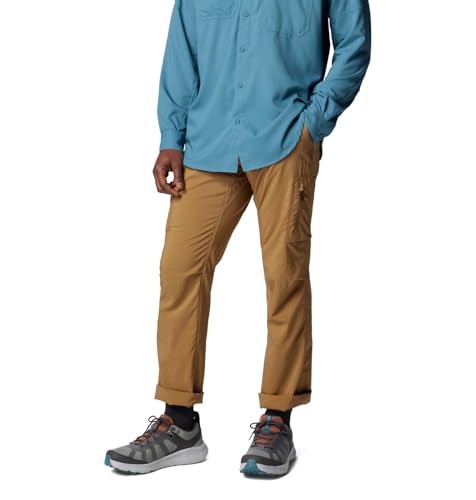
The best hiking pants are lightweight stretch nylon pants with a gusseted crotch, a DWR water-repellent finish and zippered pockets; the Prana Stretch Zion and Outdoor Research Ferrosi are the most widely recommended all-rounders. Choose by climate first: thin, ventilated fabrics for heat, softshell weaves for cold, and convertible legs only if you hate carrying extra layers.
Our top picks


As an Amazon Associate we earn from qualifying purchases at no extra cost to you.
Quick comparison of top hiking pants
| Pick | Best for | Key specs | Price range |
|---|---|---|---|
| Prana Stretch Zion | Best overall, all-day comfort | Stretch nylon, UPF 50+, DWR, roll-up tabs on some cuts | Mid to upper-mid |
| Outdoor Research Ferrosi | Best lightweight, breathable | Stretch woven nylon, UPF 50, quick drying | Mid to upper-mid |
| Columbia Silver Ridge Utility | Best budget | Nylon, Omni-Shade UPF 50, multiple pockets, convertible options | Budget |
| Patagonia Quandary | Best for travel and trail | Stretch nylon, DWR, light and packable | Mid to upper-mid |
| Fjallraven Keb | Best for rugged use | G-1000 Eco and stretch panels, reinforced knees and seat | Premium |
| Arc’teryx Gamma | Best for cool, alpine conditions | Softshell, wind and water resistant, articulated knees | Premium |
Best overall: Prana Stretch Zion
The Stretch Zion is a long-running favorite because it moves like athletic wear but looks fine in a town. Prana lists a stretch nylon fabric with a UPF 50+ sun rating and a water-repellent finish, and the cut includes a gusseted crotch for high steps. It suits most three-season hiking and light scrambles.
Trade-off: the fabric is thin, so brush and rock can wear it at the knees over time, and it is not warm enough for cold ridgelines without a base layer.
Best lightweight and breathable: Outdoor Research Ferrosi
The Ferrosi uses a stretch woven nylon that dries quickly and breathes well in warm weather. According to the brand’s spec sheet it carries a UPF 50 rating and a DWR finish. It is a strong pick for summer day hikes and trail runs mixed with hiking.
Trade-off: it is a sleek, close fit that some hikers find too thin for scratchy brush or for winter.
Best budget: Columbia Silver Ridge Utility
Columbia’s Silver Ridge line gives a nylon pant with sun protection, multiple pockets and, in some versions, zip-off legs. It is the practical choice for beginners, for children’s hikes you may share, or for gear you will abuse. Expect less stretch and a boxier cut than premium options.
Best for travel and trail: Patagonia Quandary
The Quandary is light and packs small. A clean look makes it comfortable for a flight, a city lunch and a short hike in the same day. The fabric dries quickly and resists light rain. It is less rugged than a canvas-style pant, so look elsewhere for off-trail bushwhacking.
Best for rugged use: Fjallraven Keb
The Keb mixes tough G-1000 Eco fabric with stretch panels where you need movement and reinforced knees and seat where abrasion is highest. It resists wind and sheds light rain when treated with Fjallraven’s wax. It is heavier and warmer than the nylon options, and it dries slower, so it suits cool climates and rough ground, not hot summer humidity.
Best for cool alpine conditions: Arc’teryx Gamma
Softshell pants such as the Gamma block wind and lightly resist moisture while remaining breathable. Articulated knees allow big steps. The cost is premium, and in warm weather they will feel hot.
How to choose hiking pants
Fabric and weight
Lightweight nylon blends of 4 to 8 ounces per square yard dry fast and suit warm weather. Softshell weaves of 8 to 12 ounces add wind resistance. Avoid cotton and jeans: cotton holds moisture and loses warmth quickly when wet.
Stretch and fit
Two to four percent elastane is enough for most hikers. A gusseted crotch and articulated knees matter more than raw stretch percentage. Test by taking a full high step and a deep squat.
Sun and bug protection
UPF 50 means roughly 2 percent of UV passes through. For tick country, tuck pants into socks and consider insect-repellent treatments applied according to the maker’s label.
Pockets and extras
Zippered thigh pockets keep a phone secure. Belt loops, internal drawcords and ankle zips help adjust fit. Convertible pants save packing, but zippers on the thigh can chafe on long days.
Sizing worked example
Measure the waist at the belly button, hips at the widest point and inseam from crotch to ankle. If your waist is 34 inches, check the brand size chart: many hiking pants list size 34 as a 34 to 35 inch waist and have relaxed or athletic versions. Pick the athletic fit if you will wear base layers underneath only occasionally, and the relaxed fit when layering.
Decision matrix
| Situation | Choose |
|---|---|
| Hot, humid trails | Ferrosi or Silver Ridge |
| Three-season mixed trails | Stretch Zion |
| Travel plus hiking | Quandary |
| Brush, scrambles, wind | Keb |
| Cold, alpine | Gamma or another softshell |
Care and durability
The knees, seat and cuffs wear first. Wash on cold with a gentle, non-detergent cleaner and avoid fabric softener, which clogs DWR. Reapply a spray-on water-repellent treatment every season or when water stops beading. Sew small tears early, before they spread.
Frequently Asked Questions
Are hiking pants worth it over regular pants?
Yes for most hikers. They dry quickly, stretch with your stride and block sun and light rain. Jeans and cotton leggings are heavy and cold when damp.
Should I get convertible pants?
They suit people who want to go from shorts to pants without carrying both. The downside is thigh zippers that can rub and slightly heavier construction. If you hike in mild climates, separate shorts and pants usually fit better.
What hiking pants fabric is best for hot weather?
A thin stretch nylon with ventilation and a UPF rating works best. Light colors reflect heat, and a loose fit helps airflow.
Are waterproof pants the same as hiking pants?
No. Hiking pants are water resistant and dry fast, while rain pants are fully waterproof shells you carry for storms. Pack a light pair for long or exposed hikes.
How should hiking pants fit?
They should allow a full squat and high step without binding at the crotch or knees, and the waist should stay put with a pack hip belt over it. Leave room for a base layer in cold climates.


Write Your Review
No reviews yet. Be the first to share your experience!