
Key takeaways
- Compare 12V lithium and AGM batteries for LED bowfishing lights by usable capacity, weight, discharge and charging, so a full night on the water stays lit.
Bowfishing lights do not fail gradually in a convenient way. A battery that looked adequate at the dock can dim the whole spread halfway through the night, turning clear shallow water back into guesswork. The real decision is therefore not just capacity on the label, but usable capacity at the discharge your light bar actually draws, for the hours you actually stay out.

This guide is for boat owners running 12V LED bowfishing lights who want a dedicated battery instead of draining a starting battery. The picks below were chosen from product names and specifications on the Amazon pages, covering lithium and AGM options at different capacities and weights.
Quick Picks
As an Amazon Associate we earn from qualifying purchases
| Product | Best for | Key spec from title |
|---|---|---|
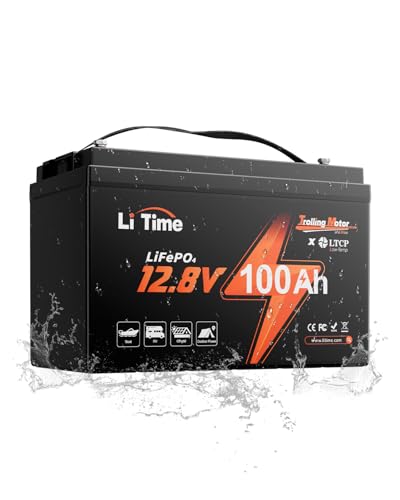
| LiTime 12V 100Ah Trolling Motor LiFePO4 Battery | Long nights with a large light spread | 12V 100Ah LiFePO4, low-temp protection |
| Redodo 12V 100Ah LiFePO4 Battery with Low-Temp Protection | Cold-weather nights and Group 31 boxes | Group 31, built-in 100A BMS |
| Dakota Lithium 12V 54Ah LiFePO4 Deep Cycle Battery | Small boats and lighter light setups | 12V 54Ah LiFePO4, 2000+ cycles |
| WEIZE 12V 100Ah Deep Cycle Battery, Group Size 31 | Buyers who prefer sealed AGM | 100Ah, 1150A max discharge current |
How to Choose
Work Out Usable Capacity From Your Light Draw
Start by adding the draw of every light on the bar, then divide the battery capacity by that total to get a rough runtime in hours. That simple maths only holds if you can actually use the full capacity. The listings for lithium models describe deep discharge use, while AGM batteries are normally treated more conservatively to protect cycle life. A 100Ah lithium battery and a 100Ah AGM battery therefore do not deliver the same practical night. Size for the longest trip you take, not the average one, and leave a margin for ageing, cold, and the extra hour when the fish finally move.
Match Continuous Discharge to the Whole Spread
Capacity tells you how long, but discharge rating tells you whether the battery can feed the spread at all without the protection system cutting power. Check the continuous discharge figure on the listing against the combined draw of your lights, plus anything else sharing the battery such as a finder or deck lights. The Redodo listing, for example, specifies a built-in 100A BMS, while the WEIZE AGM listing lists a 1150A max discharge current. Those figures describe different chemistries and different limits, so read what each number actually covers. Running close to a limit all night leaves no headroom for wiring losses or an added light.
Weigh Weight and Case Size Against Your Boat
A battery lives in a hatch, under a deck, or strapped where it can get wet and knocked around, so its weight and footprint matter as much as its electrical figures. The LiTime listing notes a weight of just over twenty-two pounds in a standard Group 31 size, while the WEIZE AGM listing puts its Group 31 battery at around sixty pounds. That difference changes how a small boat sits and how hard swapping batteries becomes at the ramp. Measure your battery box before ordering, confirm the group size in the title, and plan tie-downs that keep terminals clear of metal fittings.
Plan Charging Around the Chemistry You Buy
Charging is where mismatched gear quietly shortens battery life. Lithium models in this guide list low-temperature protection that stops charging in freezing conditions, which matters for early-season trips and unheated storage. AGM models need a charger profile suited to sealed lead-acid and should not sit discharged after a trip. The Dakota listing notes that its charger is not included, so check what is in the box for every pick. Decide where the battery will charge, how long that takes before the next night, and whether a second battery rotating through the charger suits your schedule better than one larger unit.
The 4 Best Options
LiTime 12V 100Ah Trolling Motor LiFePO4 Battery
This is the natural starting point for a boat running several LED lights for most of the night. The listing describes a trolling motor battery with low-temperature protection, an expandable design, and a Group 31 footprint, so it fits many existing boxes while weighing far less than a comparable AGM. Its stated cycle life suits anglers who fish weekly through a season rather than a few weekends a year. For a dedicated light battery that can also handle other 12V marine duties, the specification sheet shows a balanced, purpose-built option.
Specs
- Voltage: 12V
- Capacity: 100Ah
- Chemistry: LiFePO4
- Energy: 1280Wh as listed for the 100Ah model
- Case: Group 31 size, dimensions listed as 13 x 6.77 x 8.43 inches
- Weight: 22.16 lbs as listed
- Protection: low-temp protection, stops charging below freezing as listed
- Expansion: supports 4P4S expansion as listed
- Cycle life: 4000+ cycles at full depth of discharge as listed
Best for: Long nights running a large LED spread from one dedicated battery
Watch out for: The listing says it is for energy storage, not for use as a starting battery
ASIN: B0CS6FC3PG
Redodo 12V 100Ah LiFePO4 Battery with Low-Temp Protection
The Redodo suits buyers who want the same headline capacity in a Group 31 lithium battery with an emphasis on cold-area use. The listing highlights low-temperature protection, a built-in 100A BMS, and a long stated cycle life, which together address the two common worries with a light battery: cutting out under load and losing capacity after repeated deep nights. It is positioned for trolling motor, boat, and RV use, so the marine framing matches a bowfishing setup well. Check terminal layout against your existing cables before ordering.
Specs
- Voltage: 12V
- Capacity: 100Ah
- Chemistry: LiFePO4
- Case: Group 31
- BMS: built-in 100A BMS
- Energy: 1280Wh
- Cycle life: 4000+ deep cycles as listed
- Protection: low-temperature protection
- Intended uses listed: trolling motor, boat, RV, and off-grid use in cold areas
Best for: Cold-weather trips where low-temperature charging protection matters
Watch out for: Confirm your charger is a dedicated LiFePO4 charger, as the listing directs
ASIN: B0BVVWYVHZ
Dakota Lithium 12V 54Ah LiFePO4 Deep Cycle Battery
For a smaller boat, a kayak-style setup, or a modest light bar, a full 100Ah battery can be more weight and cost than the job needs. This Dakota Lithium model halves the capacity while keeping lithium chemistry, deep-cycle design, and a long stated service backing. The listing frames it for trolling motors, fish finders, and marine use, and notes the charger is not included. It makes sense where the spread is small, the trips are shorter, or a second portable battery is carried as a spare rather than relying on one large bank.
Specs
- Voltage: 12V
- Capacity: 54Ah
- Chemistry: LiFePO4
- Energy: 648Wh as listed in manufacturer specifications
- Cycle life: 2000+ cycles as listed in the title
- Warranty: 11 year USA warranty as listed in the title
- Intended uses listed: trolling motors, fish finders, ice fishing, and marine use
- Charger: not included, as listed in the title
Best for: Small boats and lighter LED setups that do not need 100Ah
Watch out for: Work out runtime carefully, because 54Ah runs a large spread for far fewer hours
ASIN: B084WPWXFR
WEIZE 12V 100Ah Deep Cycle Battery, Group Size 31
Some buyers prefer sealed AGM because their charger, battery box, and habits are already built around lead-acid, and this WEIZE model is the straightforward version of that choice. The listing describes a maintenance-free deep-cycle battery with a low self-discharge rate and a high maximum discharge figure, aimed at RV, solar, camping, cabin, marine, and off-grid systems. The trade-off is clear in the specifications: it weighs roughly three times as much as the lithium picks above. For a larger boat where weight is less critical, that trade may be acceptable.
Specs
- Brand: WEIZE
- Model Number: QS12-100-T
- Voltage: 12 Volts
- Capacity: 100 Amp Hours
- Battery Cell Type: Lead Acid
- Case: Group Size 31
- Max discharge: 1150A max discharge current as listed
- Self-discharge: 3% self-discharge rate as listed
- Dimensions: 12.99 x 6.73 x 8.34 inches
- Weight: 60 Pounds as listed for the item, with battery weight listed as 63 Pounds
Best for: Buyers who want a sealed, maintenance-free AGM battery in a Group 31 case
Watch out for: Plan help and secure mounting for the weight, and avoid deep discharges that shorten AGM life
ASIN: B0BGKHQQTP
Which One Fits Your Situation
You Fish All Night With a Big Light Bar
Choose one of the 100Ah lithium options and size the rest of the system around it. The usable capacity suits a long session without the voltage sag that dims lights late in the night, and the lighter weight helps when the battery has to come out for charging. Keep the starting battery separate so the engine always has its own supply at the ramp.
You Fish Short Evening Sessions on a Small Boat
The 54Ah Dakota Lithium fits this pattern better than an oversized bank. Work out your combined light draw first, confirm the runtime covers your typical session with margin, and enjoy the smaller footprint in a tight hatch. If your trips start stretching longer, add capacity later rather than carrying unused weight on every short outing now.
You Fish in Cold Early-Season Conditions
Look closely at the low-temperature protection described on the LiTime and Redodo listings. That protection guards charging in freezing conditions, which is when damage can happen quietly in a cold garage or at a frosty launch. Store the battery where temperatures are moderate when you can, and check the listing guidance for charging after a cold night before plugging in.
Your Boat and Charger Are Already Set Up for AGM
The WEIZE AGM battery drops into an existing lead-acid routine without changing chargers or rethinking protection settings. Accept the extra weight, mount it securely, and recharge it promptly after each trip to protect its cycle life. It suits a larger boat where the hatch was built for a Group 31 lead-acid battery and the balance will not suffer.
Common Mistakes
- Running bowfishing lights from the starting battery and discovering the problem only when the engine will not turn over at the end of the night.
- Comparing batteries by headline amp-hours alone, without checking usable capacity, continuous discharge, or the protection limits stated on the listing.
- Buying a Group 31 battery before measuring the box, hatch, or tray it has to fit into on the boat.
- Using a charger with the wrong profile for the chemistry, or charging a lithium battery in freezing conditions without low-temperature protection.
- Adding more lights to the bar mid-season without recalculating total draw and runtime against the battery already installed.
Frequently Asked Questions
How long will a 100Ah battery run LED bowfishing lights?
Divide the battery capacity by the combined draw of your lights to estimate hours, then allow a margin for wiring losses and battery age. A lithium 100Ah battery can generally be discharged more deeply than an AGM of the same rating, so practical runtime differs by chemistry even when the headline capacity matches exactly.
Can one battery run both the lights and the trolling motor?
It can, if the combined draw stays within the discharge limit on the listing and the capacity covers both jobs for your trip length. Many anglers still prefer a dedicated light battery, because a long night of lights plus motor use can leave too little reserve, and separating systems makes fault-finding on the water much simpler.
Why choose lithium over AGM for bowfishing lights?
The listings show the main reasons clearly: lithium models here weigh far less than the 100Ah AGM option, state thousands of deep cycles, and can be discharged more deeply. AGM remains a valid choice for buyers with existing lead-acid chargers and larger boats, provided the weight and shallower discharge habit are acceptable.
What should I check before connecting a new battery to my light bar?
Confirm the voltage matches your lights, the case fits your box, the terminals suit your cables, and the discharge rating covers the full spread. Check whether a charger is included, what charger profile the listing requires, and whether low-temperature protection is fitted if you fish or store the boat in cold conditions.
More from Amazon
Programs that pair well with the guide above. Offers and eligibility are set by Amazon and may change.
Free shipping on eligible items, Prime Video and more. Eligible new members can start with a free trial.
Start a Prime free trialA Prime membership for ages 18-24 with a trial period. Eligibility is set by Amazon.
See Prime for Young AdultsAudiobooks and podcasts to listen to on the go. Eligible new members can start with a free trial.
Try Audible freeAd-free music streaming. Eligible new subscribers can start with a free trial.
Try Music Unlimited freeAs an Amazon Associate we earn from qualifying purchases.

Write Your Review
No reviews yet. Be the first to share your experience!